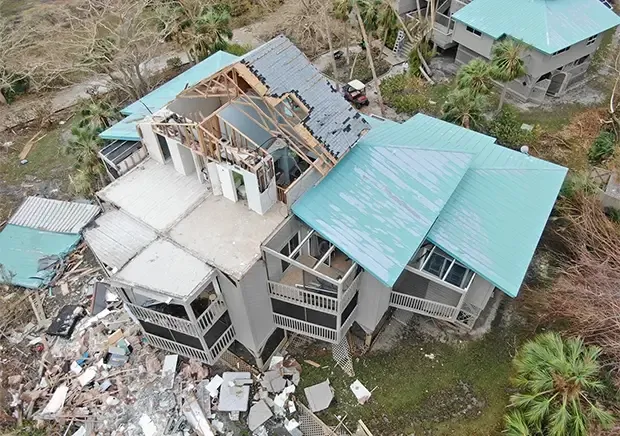
Hurricane damage claims are shaped by more than storm intensity. Building condition, maintenance, renovations and code requirements can significantly affect damage and repair scope.
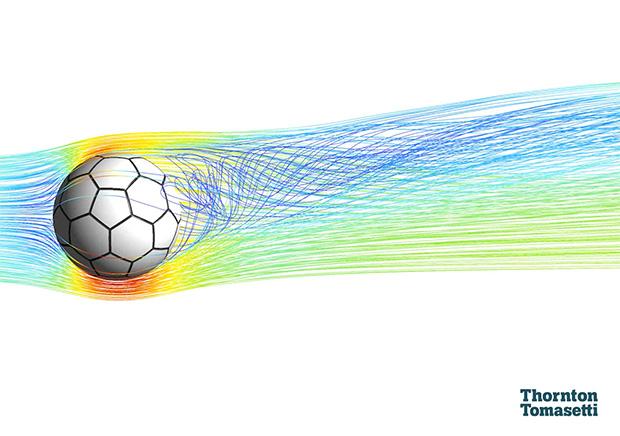
A curling free kick looks like magic, but it is really fluid dynamics in motion. Our CFD model shows how spin, airflow and the Magnus effect shape the ball’s path.
Hear how GreenBox®, an innovative prefabricated mass timber floor system developed by London-based Associate Harry Crofton, combines speed, performance, sustainability, and reusability for the next generation of timber buildings.
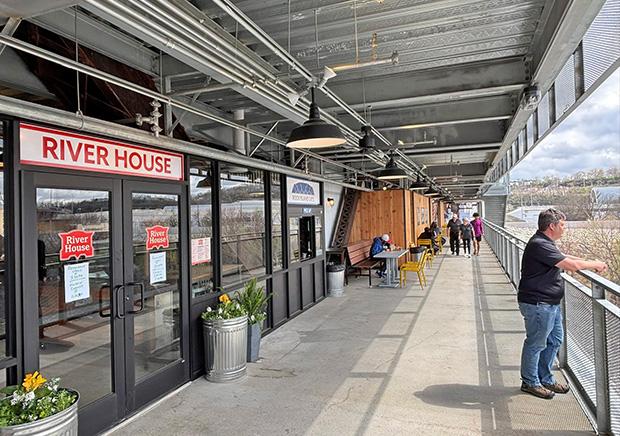
Engineering News-Record recently featured the Rock Island Bridge Renovation, a Kansas City project that transformed a historic railroad bridge over the Kansas River into a 35,000-square-foot public destination for dining, events and pedestrian connection.
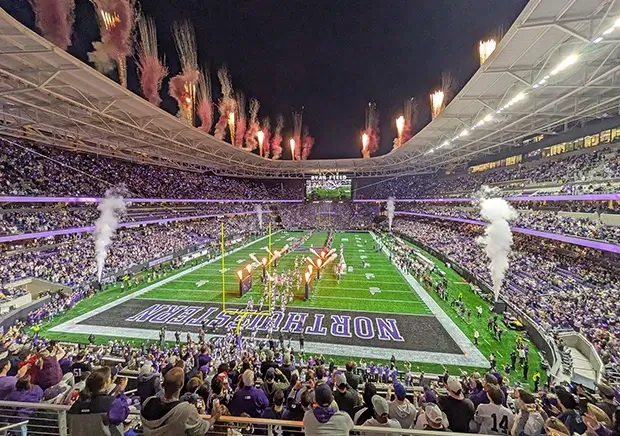
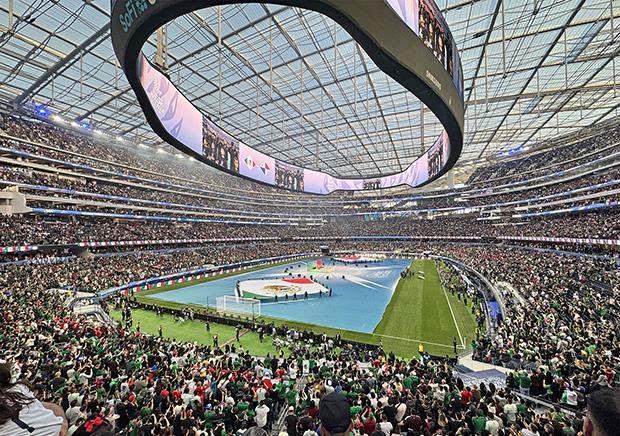
Several FIFA World Cup 2026 host stadiums – including venues in New York/New Jersey, Philadelphia, Toronto, and Miami – feature Thornton Tomasetti engineering expertise.
Mass timber offers major design advantages, but vibration and acoustic performance require careful coordination. Listen how design teams can balance floor vibration, acoustic separation, composite CLT-concrete systems, and sensitive equipment requirements in mass timber buildings.
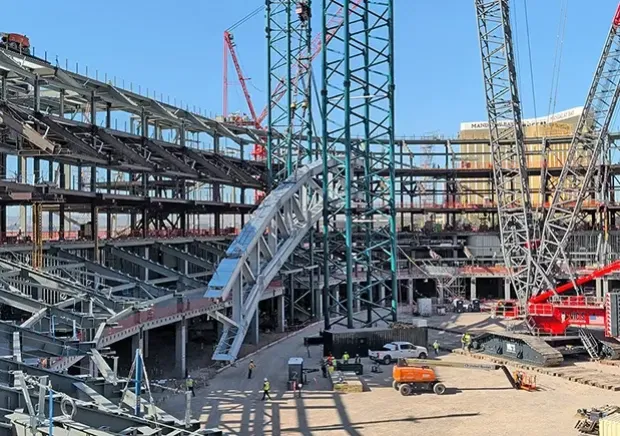
The Athletics’ future Las Vegas ballpark is taking shape with the installation of its first 200-ton roof truss segment, marking a major milestone in construction.
Mass timber buildings are a new frontier in fire-safety design. Learn how performance-based fire design enables taller mass timber buildings through quantitative evaluation of risk and clearly communicates safety performance to AHJs to support approvals.
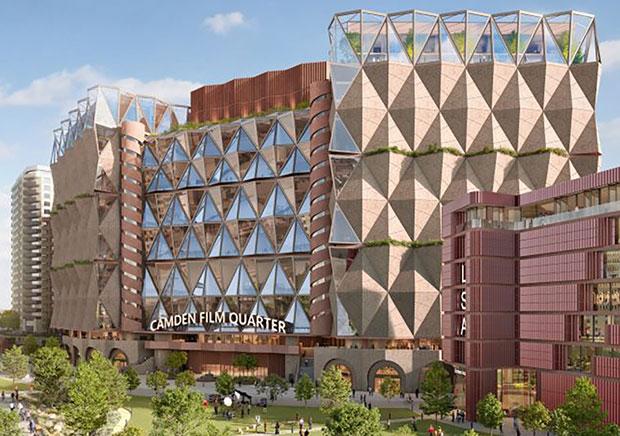
Thornton Tomasetti is helping shape Camden Film Quarter, a £1 billion mixed-use development in London that will create a new hub for film and television production.