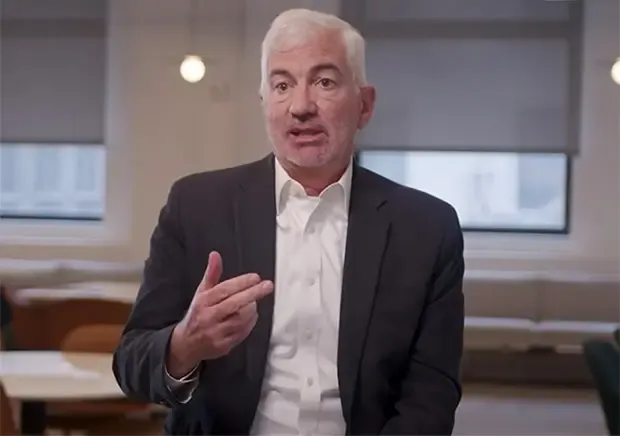
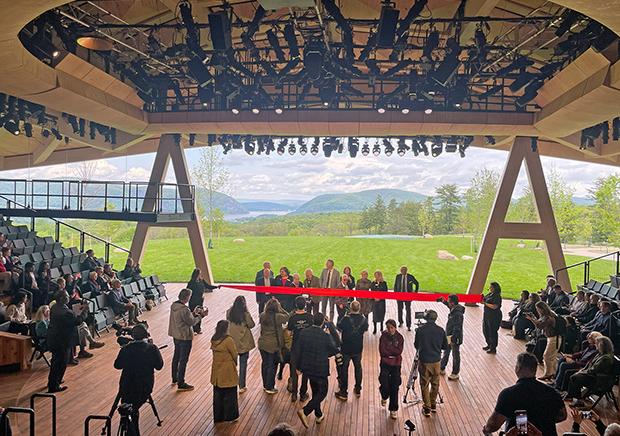
How do you make a 4,000-ton building move? Thornton Tomasetti Principal Tom Duffy is featured in an ASME video exploring the engineering collaboration behind The Shed in New York City.
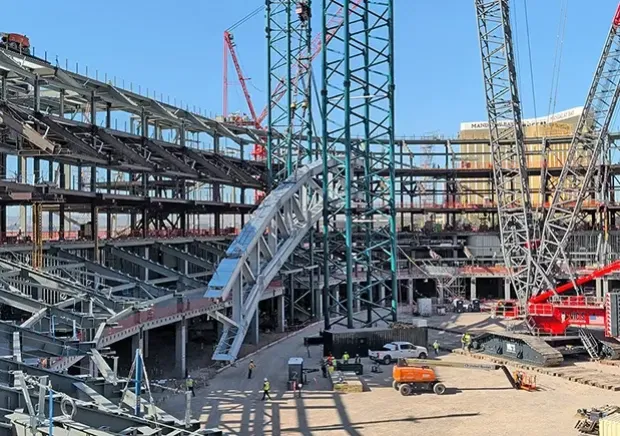
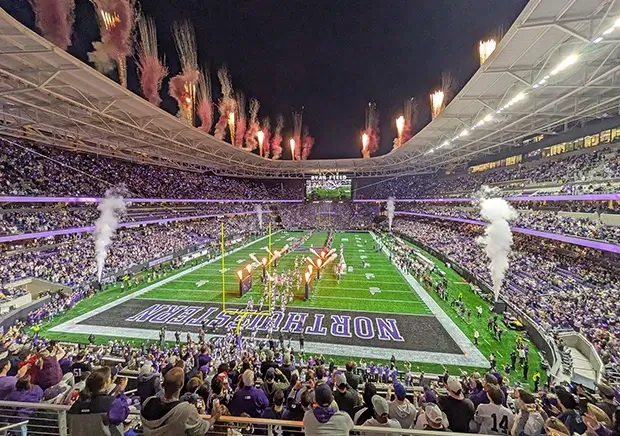
The Athletics’ future Las Vegas ballpark is taking shape with the installation of its first 200-ton roof truss segment, marking a major milestone in construction.
Mass timber buildings are a new frontier in fire-safety design. Learn how performance-based fire design enables taller mass timber buildings through quantitative evaluation of risk and clearly communicates safety performance to AHJs to support approvals.
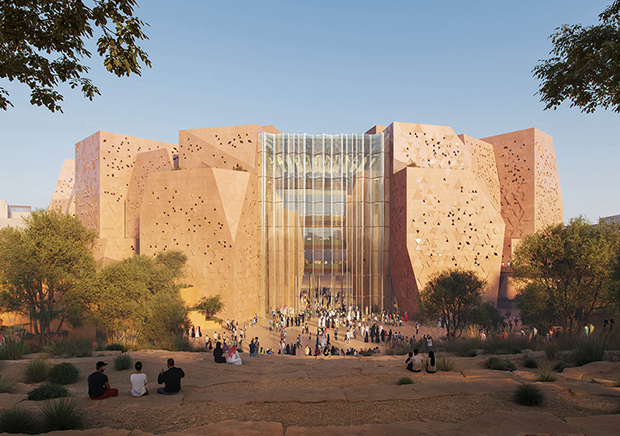
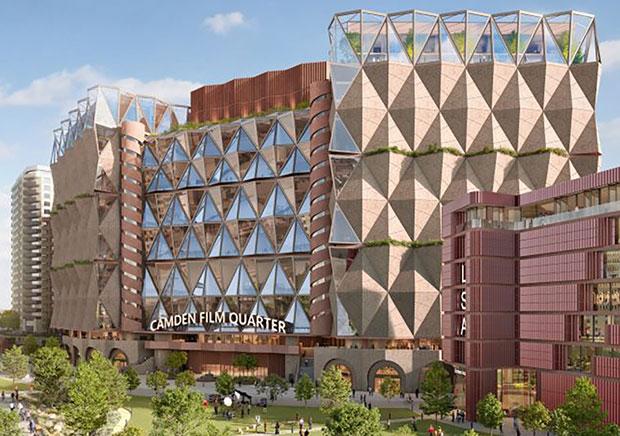
Thornton Tomasetti is helping shape Camden Film Quarter, a £1 billion mixed-use development in London that will create a new hub for film and television production.
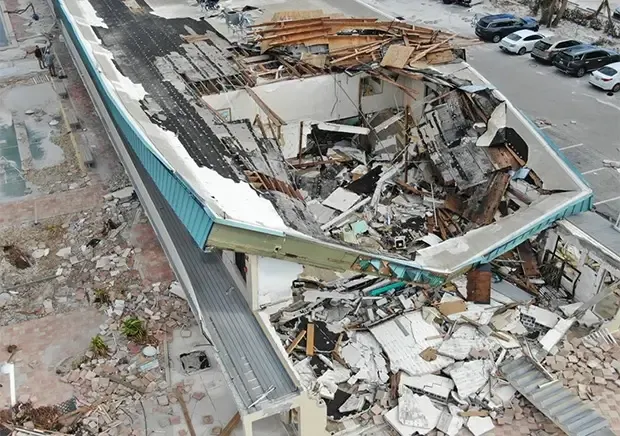
NOAA forecasts a below-normal 2026 Atlantic hurricane season, but building risk is never defined by storm count alone. For owners, facility managers, and insurers, preparedness means knowing where they may be vulnerable before a storm arrives, and having the right forensic and emergency response engineering support in place after it passes.
Early mass timber procurement decisions shape structural design, connection strategy, fabrication, and erection. Listen how supplier input during schematic design helps teams improve constructability, reduce late changes, and align designs with available mass timber systems.
Whole Life-Cycle Carbon Assessments in London help project teams connect structure, façade, and building systems to reduce carbon, improve durability, and protect long-term asset performance.
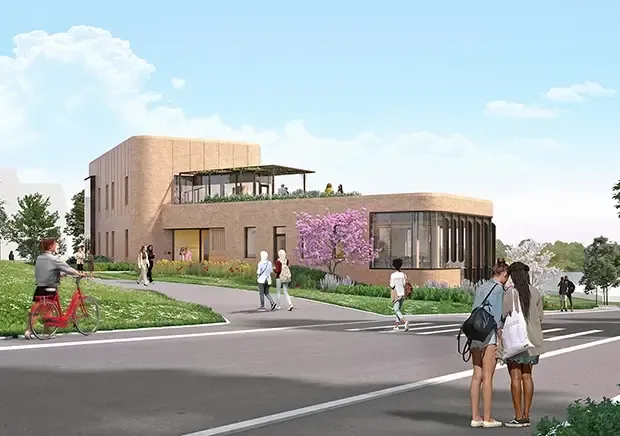
Smith College’s new Kathleen McCartney Hall pairs mass timber construction with integrated structural, façade and sustainability engineering to create a high-performance hub for career development and leadership.