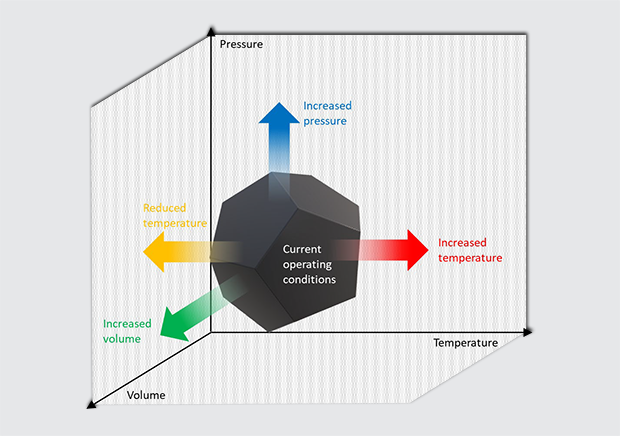

Hydrogen has been used for many years across a number of industries and its characteristics as a flammable fluid are well known. As the world starts its progression to net zero, hydrogen is seen as a form of energy that is both transportable and flexible and can replace traditional hydrocarbon fuels. Looking forward, there exists plans for uses of liquid and gaseous hydrogen at much wider ranges of volumes and pressures than are typical of current hydrocarbon projects.
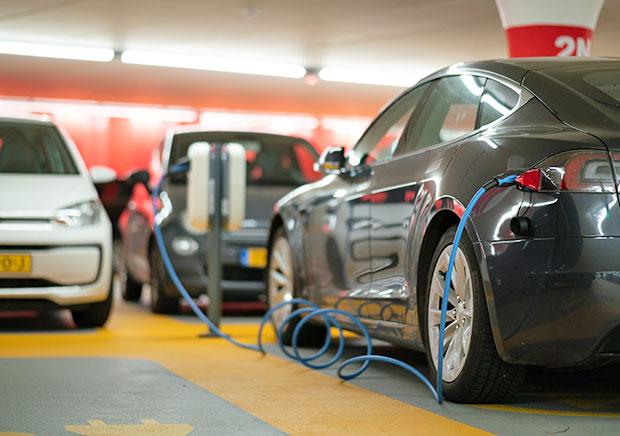
As demand for electric vehicles (EVs) grows, we’re partnering with steel fabricators and erectors to optimize constructability for several U.S. manufacturing facilities.
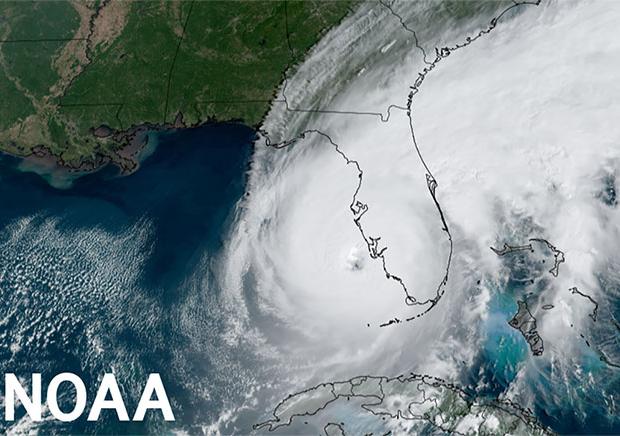
As we approach the start of the 2023 Atlantic hurricane season, let’s take a look back at the 2022 season, as well as the developing El Niño, and learn what this means for the season to come.
It’s spring and that means baseball is back! At ballparks everywhere ground crews are prepping the turf and chalking the baselines as coaches finalize their starting lineups.
Thornton Tomasetti experts Ali Ashrafi and Elisa Paone examine the fire safety risks lithium-ion batteries can pose in buildings in a recent Building Design + Construction article.
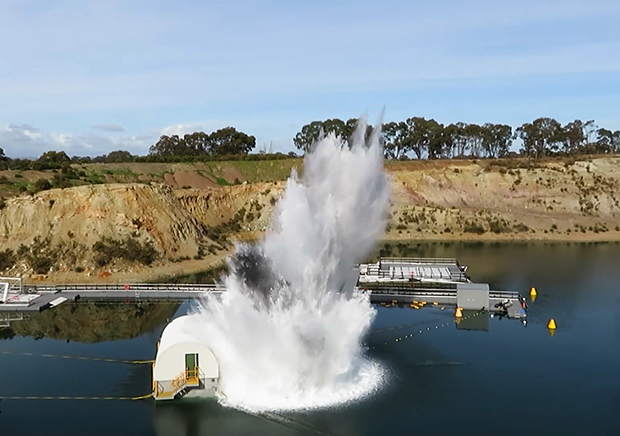
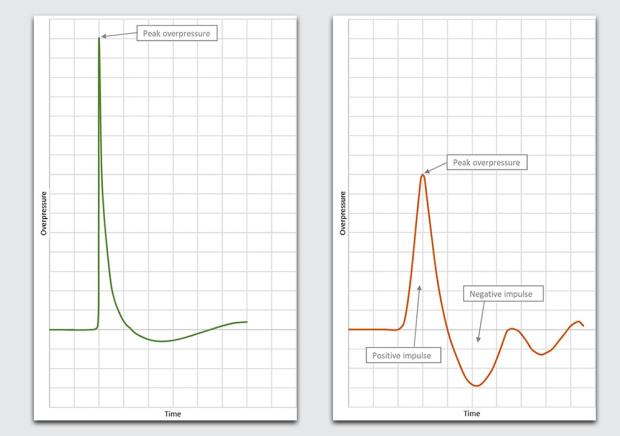
The use of hydrogen as a replacement for natural gas presents all of the hazards we associate with natural gas although the extent of the hazards can be greater for hydrogen; the flammability ranges in air for hydrogen are 4 % to 75 % by volume, high pressure releases of hydrogen can auto-ignite and hydrogen explosions can be more severe as hydrogen is more prone to detonation.