Steve Freihon/Related-Oxford
New York, New York
Global experience.
Regional perspective.
Local impact.
New York, New York
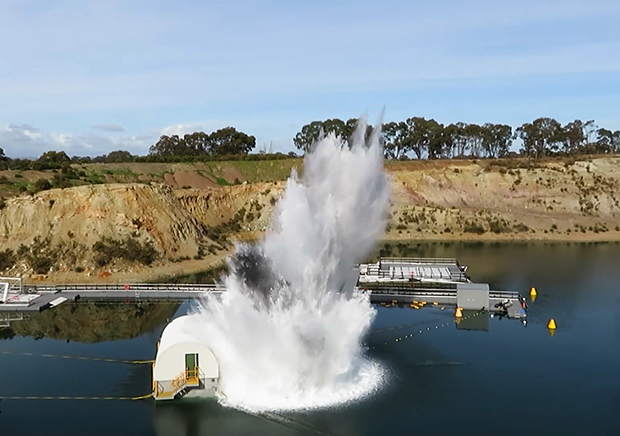
Australia
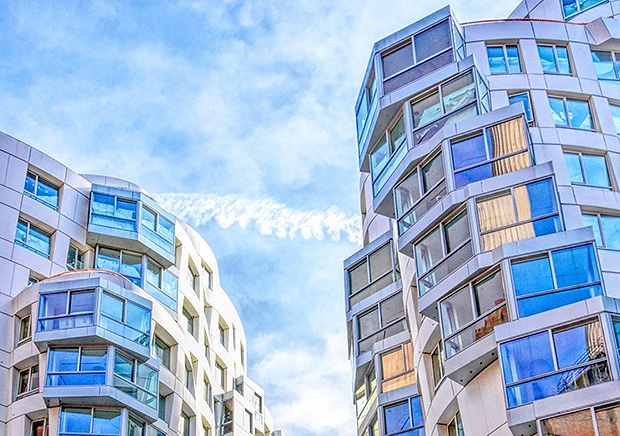
London, United Kingdom
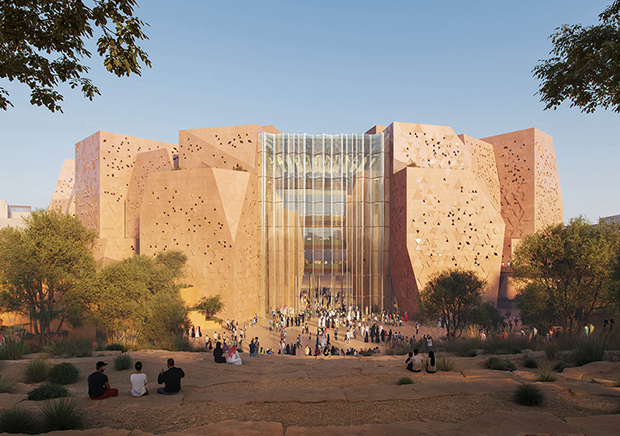
Diriyah, Riyadh, Saudi Arabia
By prioritizing structural reconciliation and modern performance, we helped unify two Manhattan towers into a single, high-performing address overlooking Madison Square Park.

Retrofit Magazine, Metamorphosis Award for Whole Buildings, 2026
ASCE AEI Professional Project Awards, Award of Excellence – Renovation and Award of Merit – Structural Systems Design, 2026
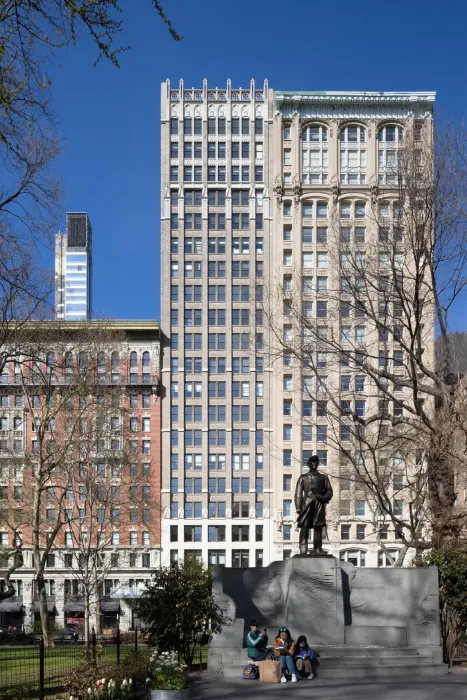
Located in Manhattan’s Madison Square Park district in New York City, the buildings at 11 and 15 East 26th Street were ready for a modern renovation within a landmark-preserved urban environment. The owner’s vision was to reposition two adjacent historic office buildings as a unified, inviting commercial destination while both towers remained open for business.
To transform two independent structures into a single, seamless address, the team needed to navigate a series of architectural and structural challenges:
What started as a straightforward renovation quickly became a project of structural reconciliation. By pairing investigation with analysis, we helped the project team unlock hidden capacity and preserve the integrity and character of two independent buildings while preparing them for a new chapter of use.
Our structural strategy followed three principles: investigate early, preserve viable existing capacity and introduce reinforcement only where performance demands increased.
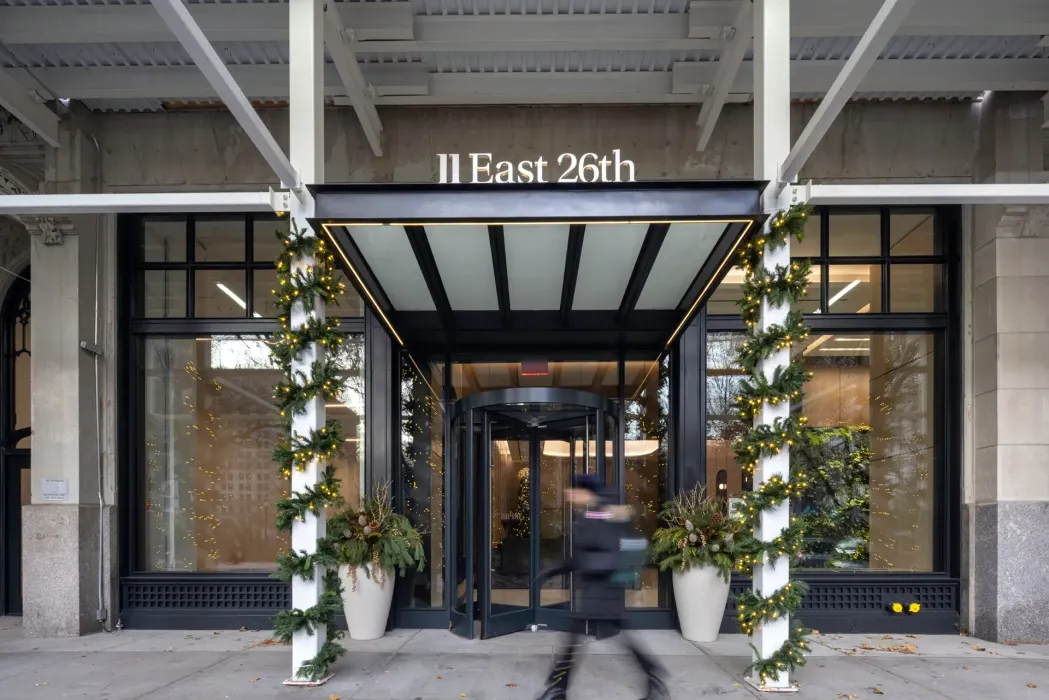
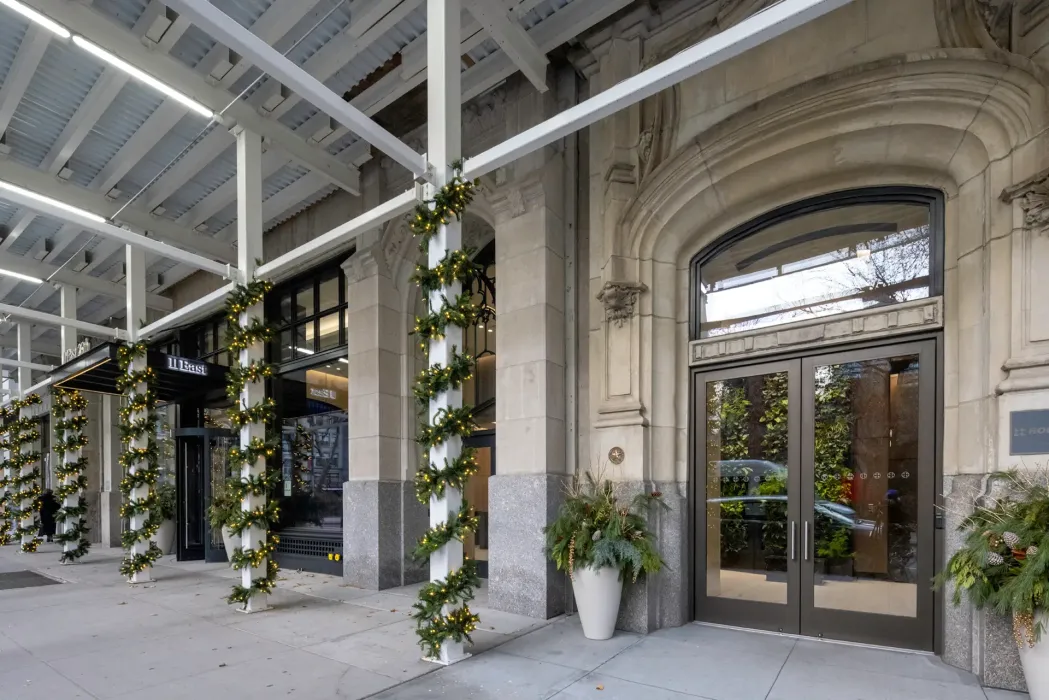
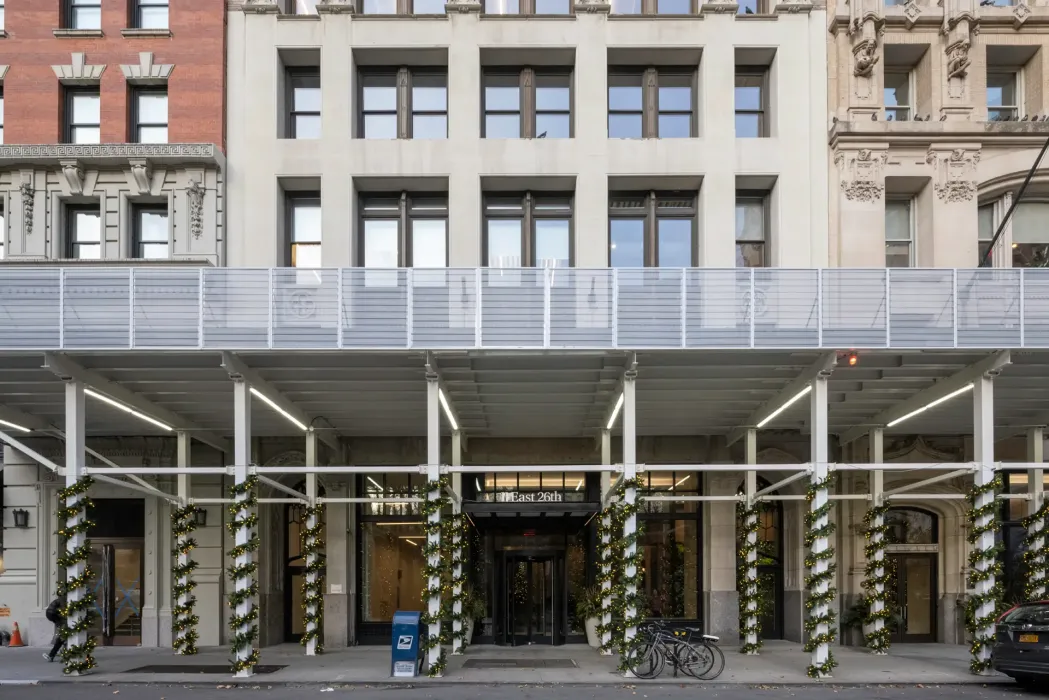
A prior glass storefront had flattened the existing façade and diminished its historic presence. The new limestone and cast-metal system, paired with a glass-ceilinged marquee restores the original rhythm and strengthens the street wall to meet contemporary performance standards.
To realize this vision, we implemented several targeted structural interventions:
The result is a façade where the structure performs significant work without telegraphing bulk, supporting the architectural concept and delivering modern performance.
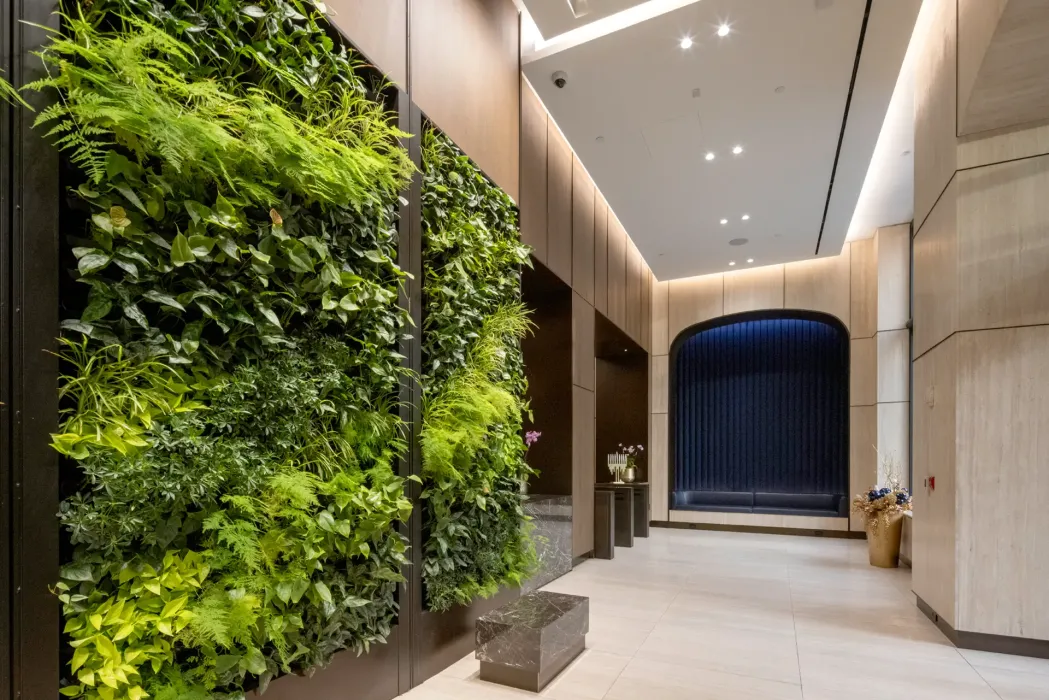
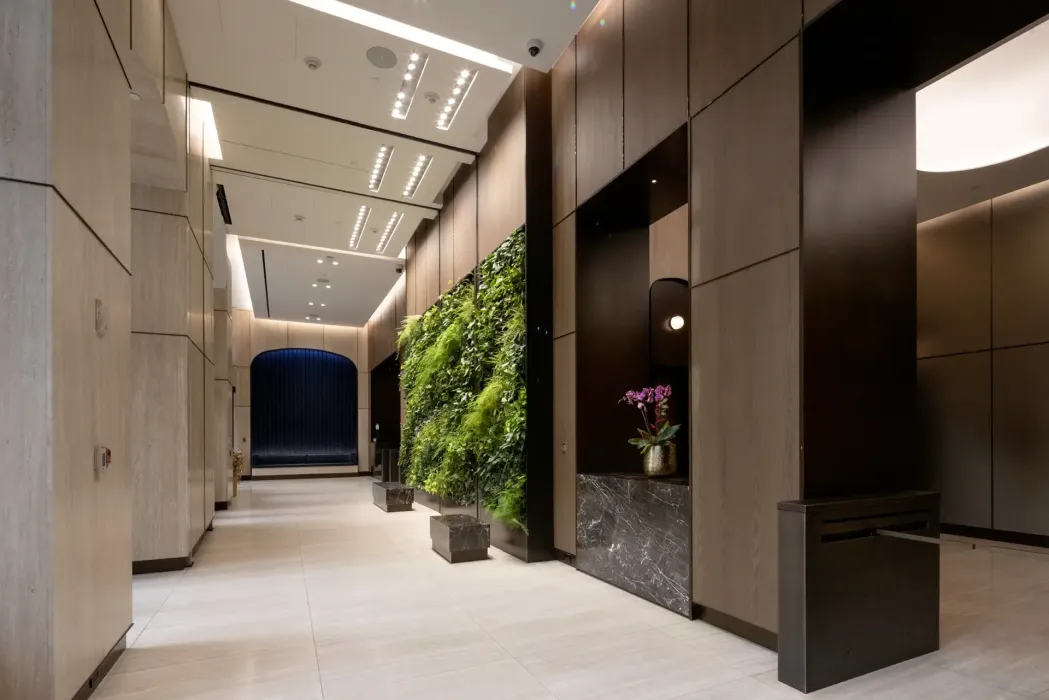
To unify the tenant experience across the two buildings, nine carefully engineered wall openings were introduced at the lobby and multiple upper floors. These moves had to connect spaces for users while respecting the independent structural behavior of each tower.
This process included:
The buildings now function as a single address for occupants and visitors while its structural systems remain autonomous, supporting comfort, safety and long-term adaptability.
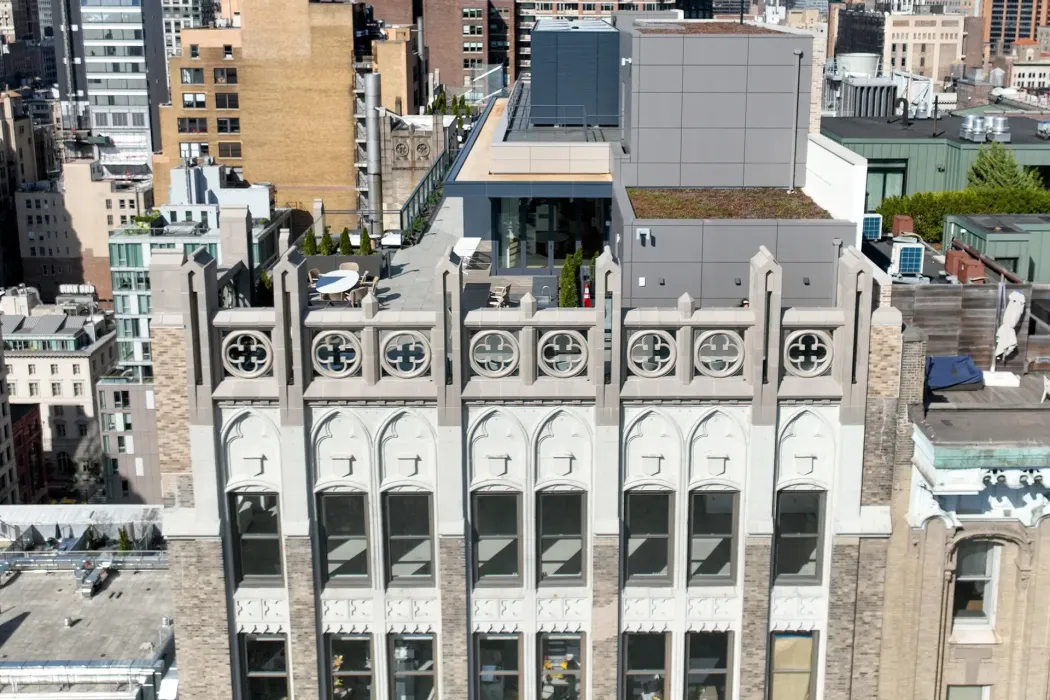
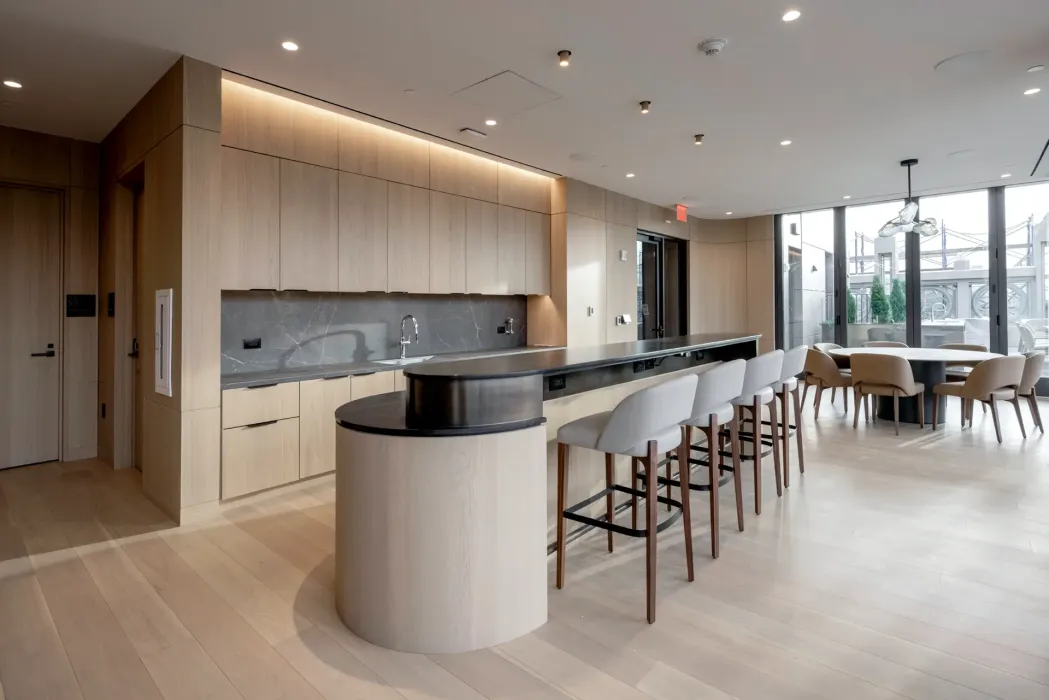
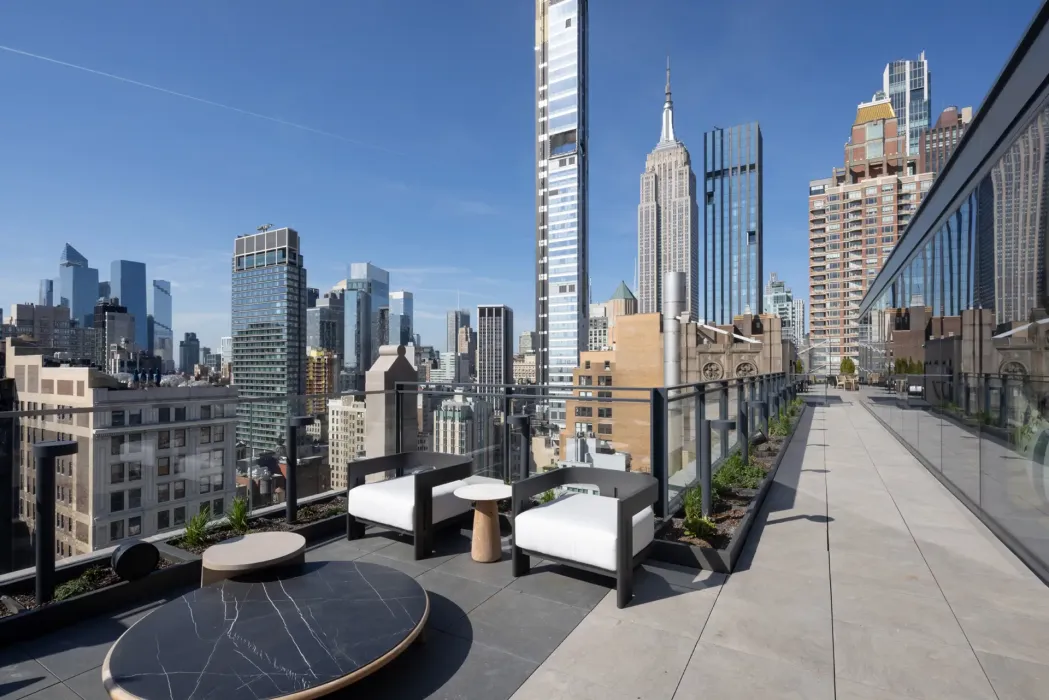
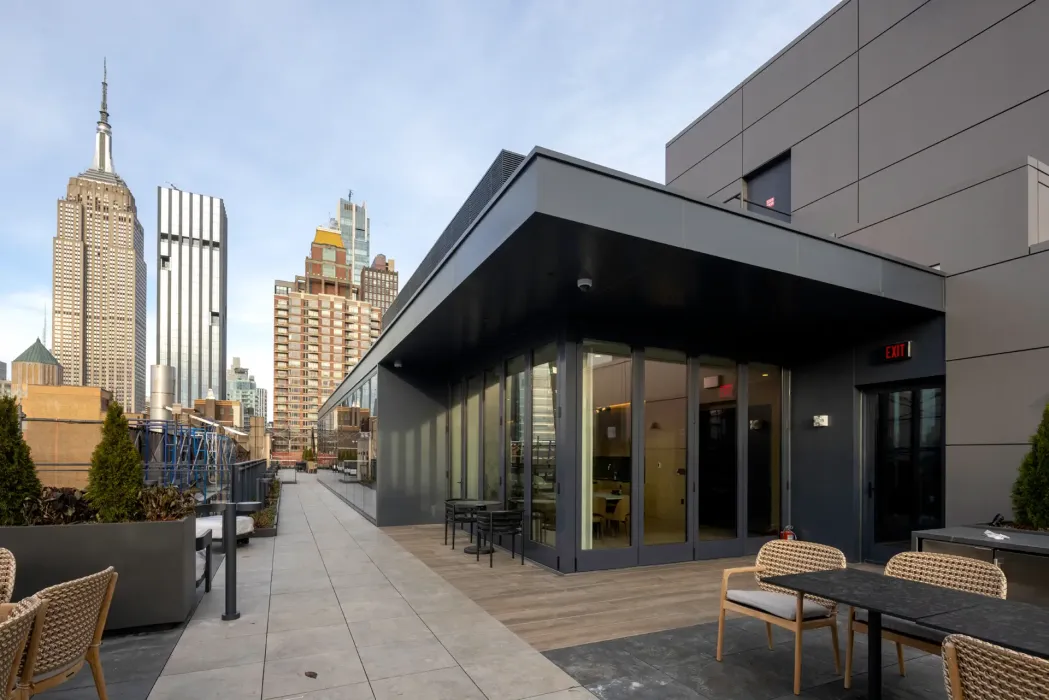
At the roof, the project converted a service deck into a tenant-focused amenity featuring a glass pavilion, exterior terrace and upgraded mechanical systems. Because original documentation was unavailable, we engaged early to clarify how new loads would move through the existing structure.
Our role included:
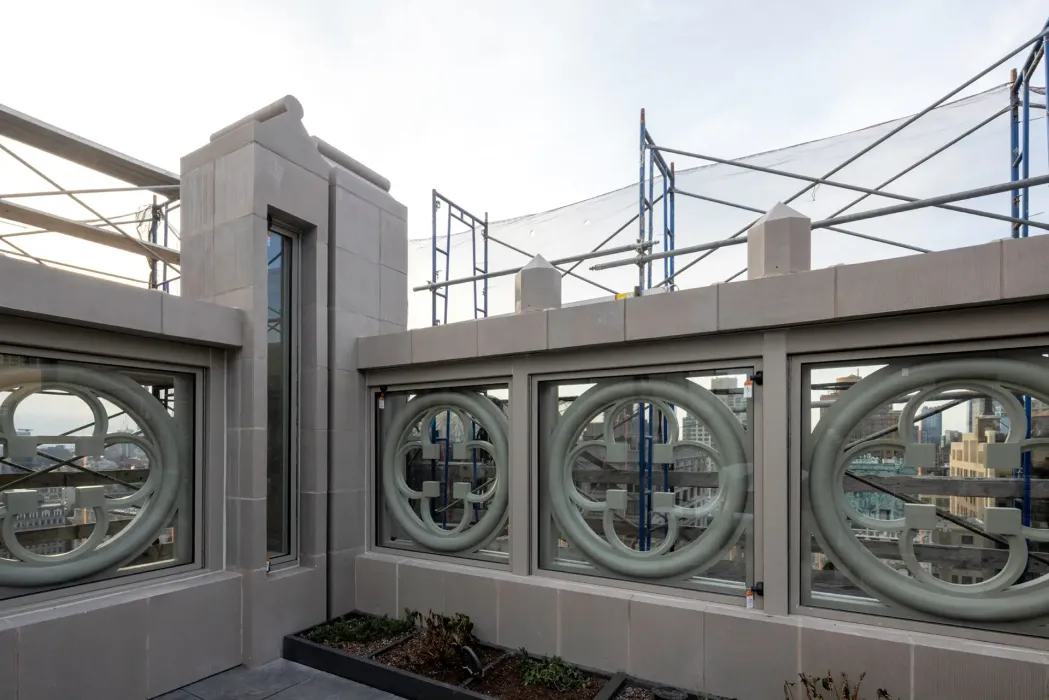
A new raised structural floor now supports the pavilion and terrace while minimizing intervention below. The parapet, previously a ten-foot opaque barrier, was re-engineered using a cantilevered support system projecting from the new slab. This solution reopened terra cotta quatrefoils to park views and delivered controlled strength and deflection within an extremely tight landmarked envelope.
Our investigation in the lobby revealed heavily corroded steel members. Instead of replacing them wholesale, we reinforced members in-place. This approach preserved historic fabric and reduced material waste.
On the second floor, new lounge and fitness amenities introduced dynamic, vibration-sensitive occupancies into the existing office structure. Our structural analysis evaluated deflection and vibration performance under anticipated use. We then tuned new framing and connections to limit noise or vibration transfer to surrounding office floors, supporting a quiet, comfortable tenant environment.
Throughout the project, we integrated shoring, sequencing and constructability into the structural design. This coordination helped keep both towers operational and minimized disruption to tenants and neighbors during construction.
Through performance-driven design and strategic engineering, the renovation of 11 and 15 East 26th Street demonstrates how landmarked adaptive reuse and office repositioning in New York City can unlock long-term value. By combining early investigation, load-path rationalization and selective reinforcement, we helped ensure the project’s success by:
The complex is now a single, revitalized destination overlooking Madison Square Park. Behind the scenes, its structural systems continue to operate independently, quietly delivering modern performance and tenant experience within a carefully preserved historic fabric.