Steve Freihon/Related-Oxford
New York, New York
Global experience.
Regional perspective.
Local impact.
New York, New York
Australia

London, United Kingdom
Diriyah, Riyadh, Saudi Arabia
We helped transform part of a 1950s-era hospital into a state-of-the-art cardiovascular suite equipped for advanced imaging, catheterization procedures, and open-heart surgery without compromising patient care or interrupting hospital operations.

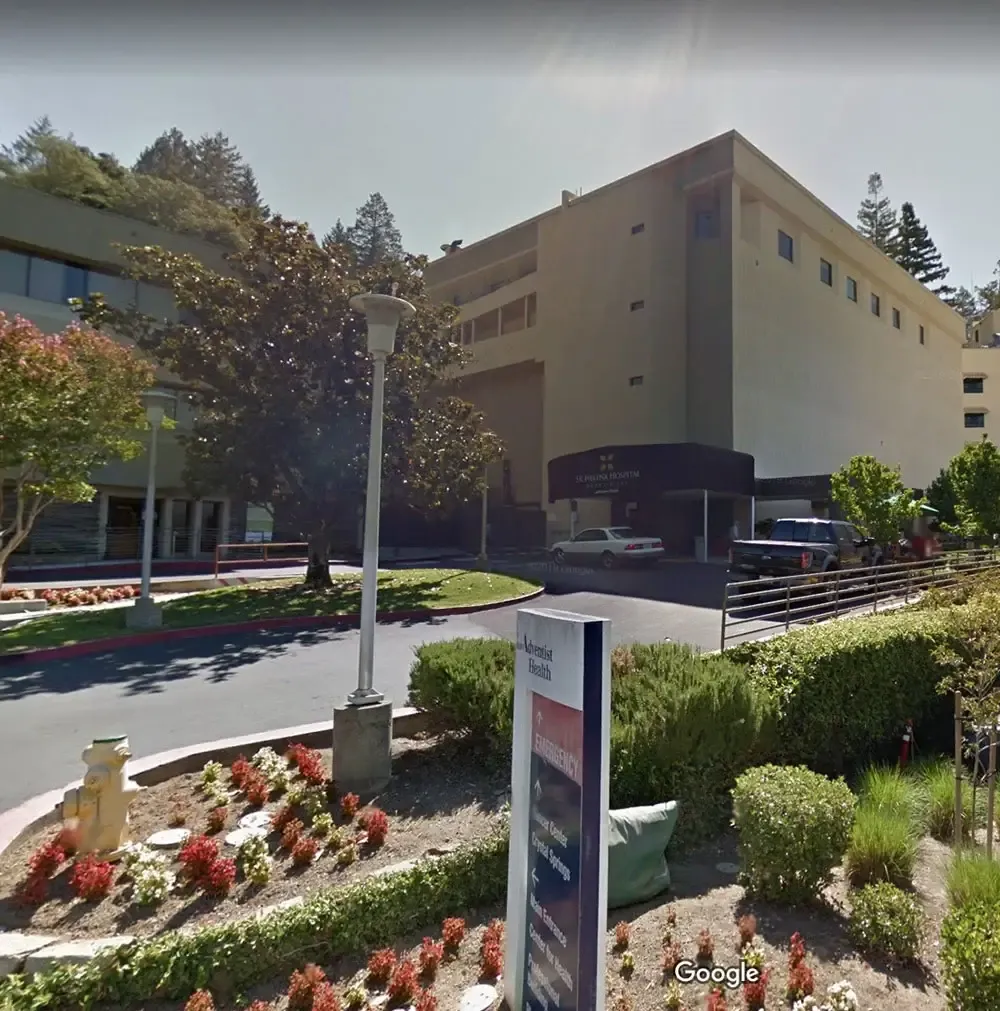
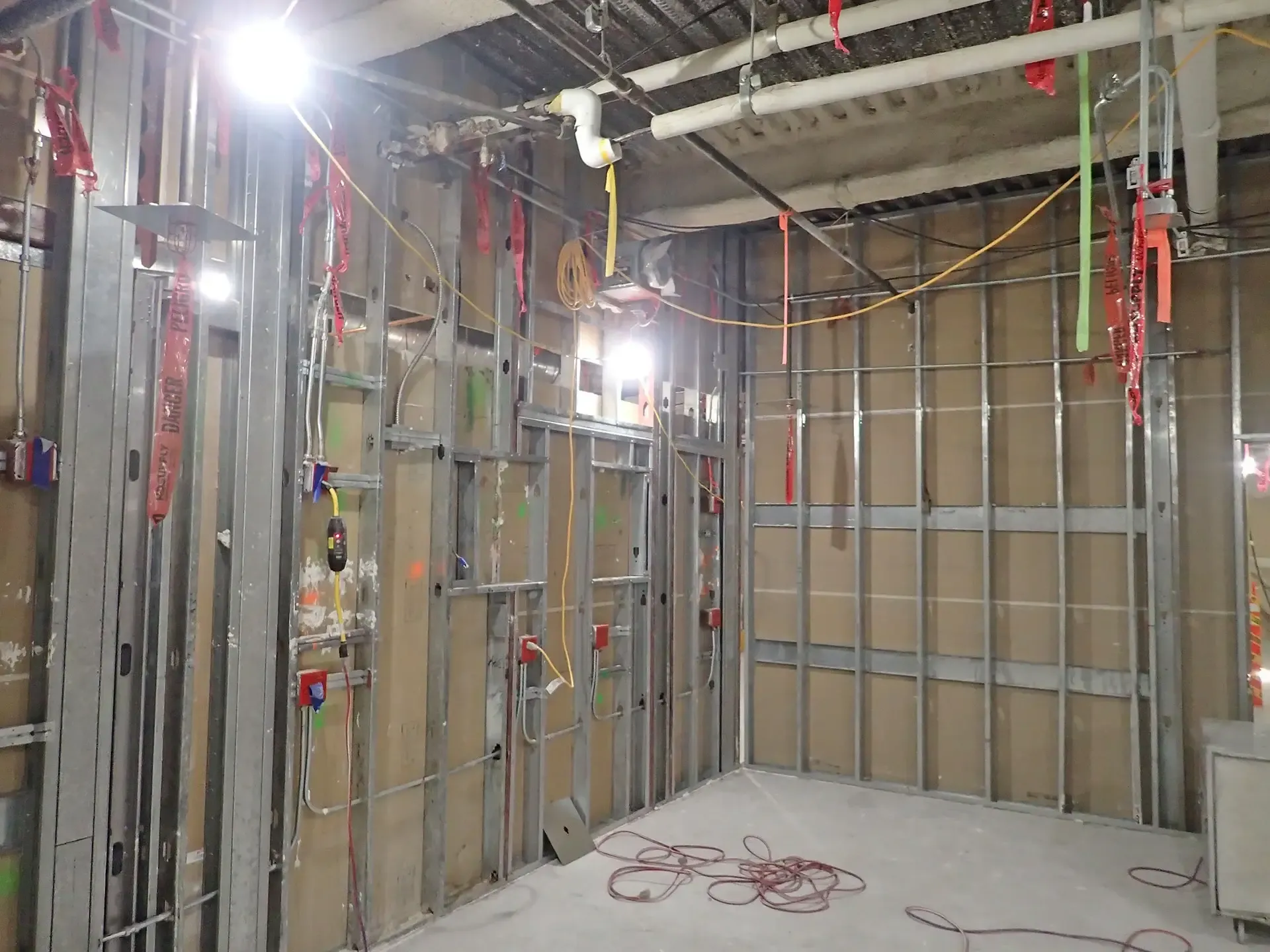
What happens when cutting-edge surgical technology meets a hospital constructed decades before that technology was invented? At Adventist Health St. Helena Hospital, the answer involved weaving massive amounts of infrastructure, equipment, and structural support into a tightly constrained existing building without interrupting day-to-day patient care.
Low floor-to-floor heights limited available ceiling space, while new ceiling-mounted imaging systems demanded precise structural support and specialized ventilation systems required major rooftop upgrades.
We provided structural engineering services for the conversion of part of the hospital into a nearly 2,900-square-foot hybrid operating room and catheterization lab capable of supporting some of today’s most advanced cardiovascular procedures.
The completed suite combines advanced imaging technology with surgical capabilities, allowing physicians to perform minimally invasive catheterization procedures, heart-valve replacements, open vascular procedures, and open-heart surgery in a single space. The suite also incorporates sophisticated ceiling-mounted equipment, including a robotic imaging arm and other advanced medical systems that required meticulously coordinated structural solutions.
The building’s steel-framed structure posed problems that typically wouldn’t exist in a new medical facility. Because of the extremely limited floor-to-floor heights, fitting the ceiling-hung operating-room and catheterization equipment into the crowded overhead space became one of the project’s defining challenges. Mechanical, electrical, and plumbing systems all competed for space above the ceiling, leaving little margin for error.
We worked closely with equipment manufacturers and the design team to develop a compact steel support system that fit within the constrained ceiling cavity while still allowing room for critical building systems. The design team carefully coordinated new beam penetrations so ducts and conduits could be routed higher into the structure, maximizing usable space while meeting the stringent requirements of the surgical environment.
To fulfill the specialized environmental and ventilation requirements of the cardiovascular suite, a large air-handling unit was installed on the roof. Our team designed an efficient strengthening system to support the added rooftop load while minimizing changes to the existing structure.
Because the floor plate was highly constrained, the ductwork serving the unit could not be routed internally – instead, it had to run down the building’s exterior. To support the ducts, we designed large steel trusses cantilevered from the structure along the building façade.
We also performed structural engineering services for the relocation of physical and occupational therapy spaces and waiting areas to make room for the suite, and prepared documentation for the California Office of Statewide Health Planning and Development review process.
One of the project’s most significant challenges was ensuring that the hospital remained operational throughout construction. Careful phasing and close coordination among the design team, contractor, and hospital staff helped minimize disruption to medical services while construction progressed around active patient-care areas.
Through careful planning and close collaboration, the project rejuvenated part of an aging hospital, transforming it into a highly specialized cardiovascular suite equipped for modern surgical and imaging technology.