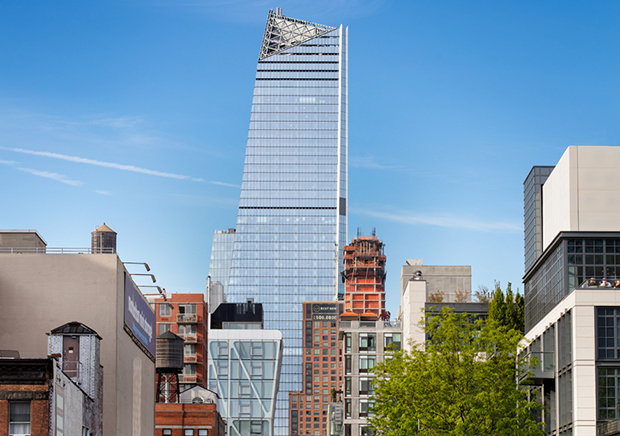
Steve Freihon/Related-Oxford
New York, New York
Global experience.
Regional perspective.
Local impact.
New York, New York
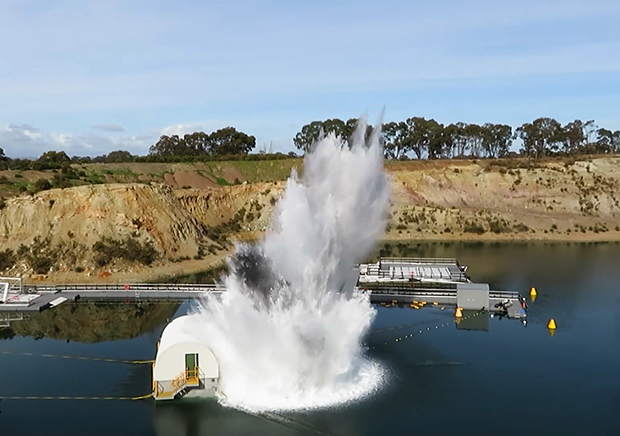
Australia
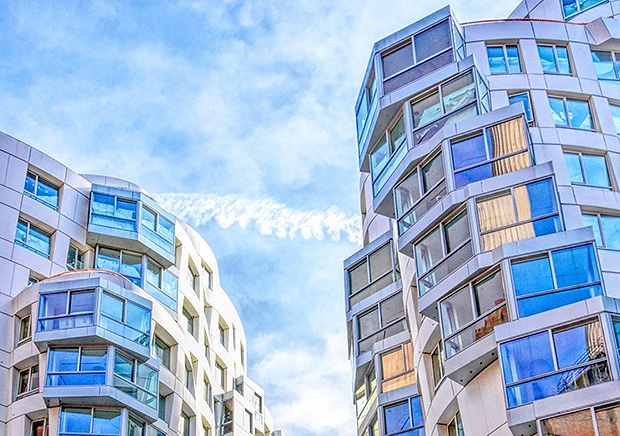
London, United Kingdom
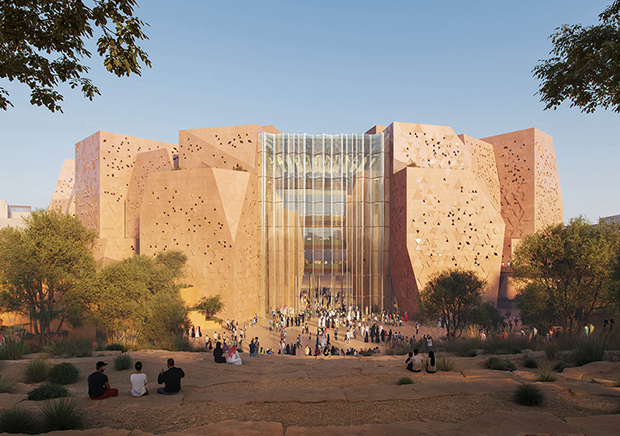
Diriyah, Riyadh, Saudi Arabia
Our carbon specialists raised the bar for embodied-carbon reduction, while integrated design services maximized the sustainability and efficiency of a new lab building.
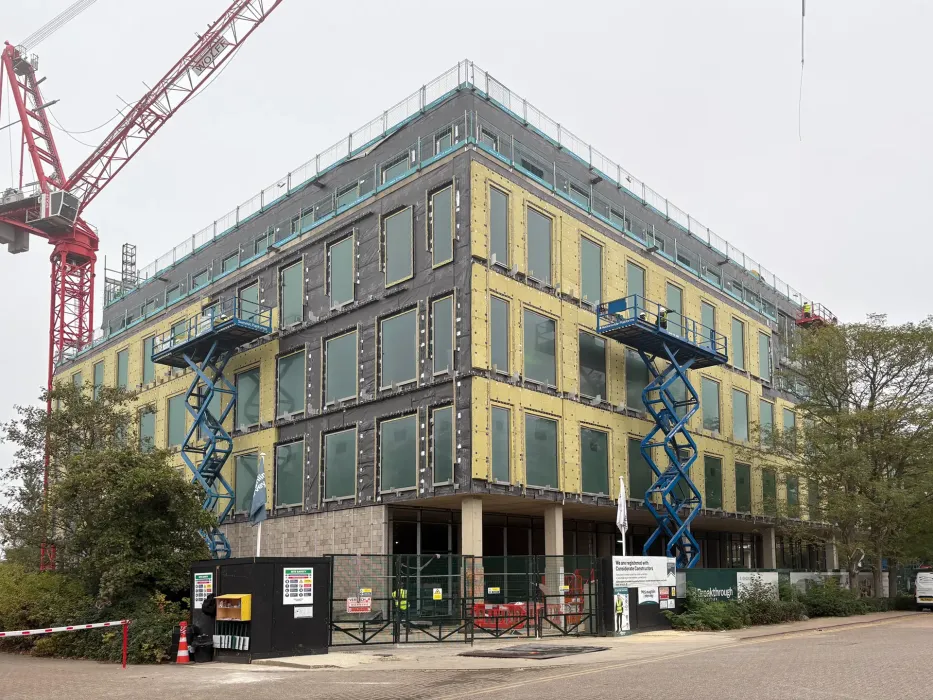
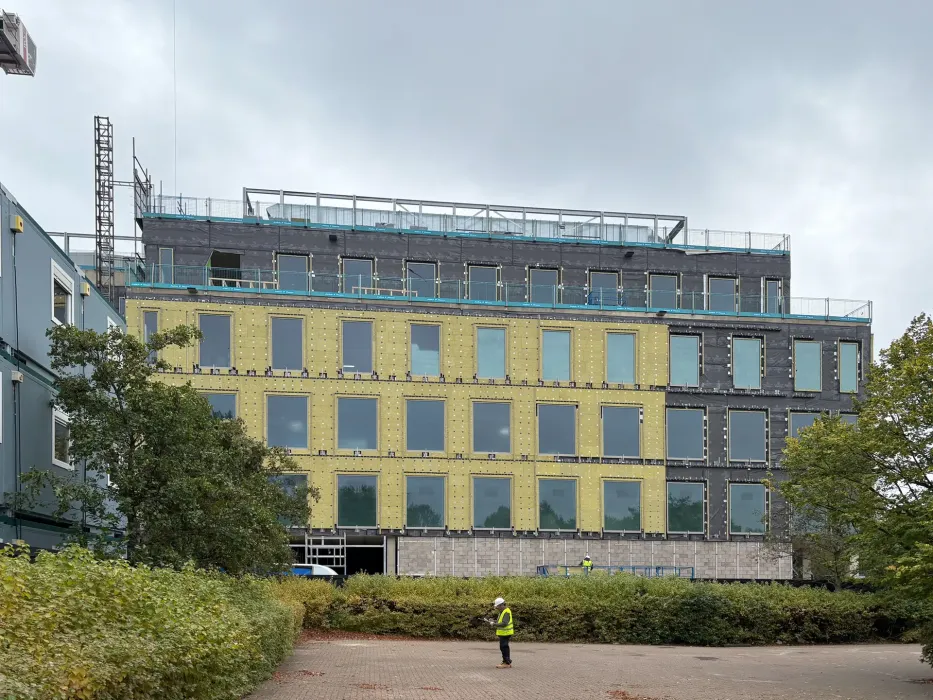
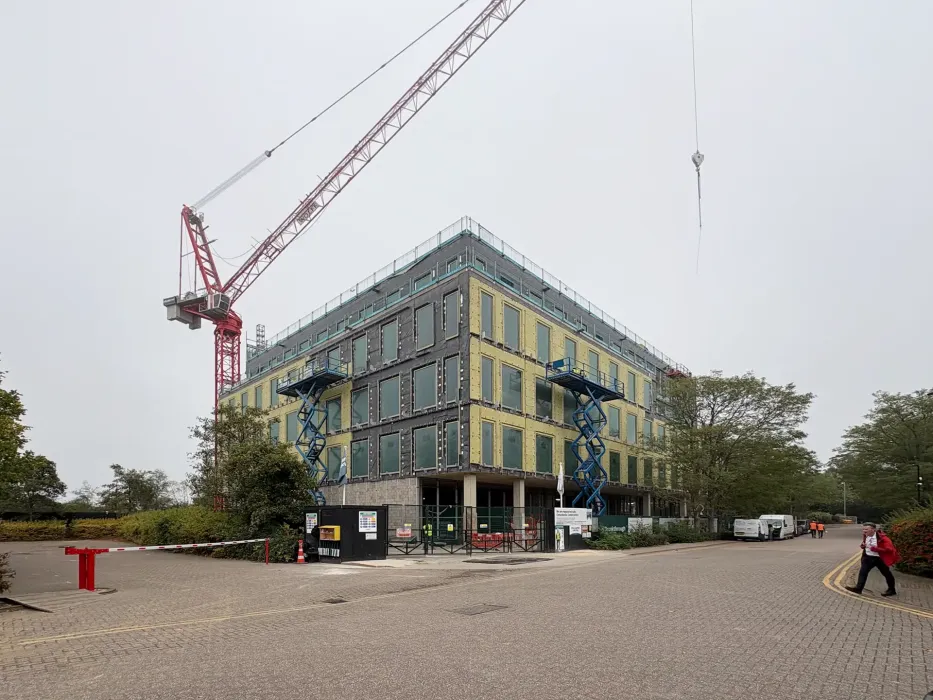
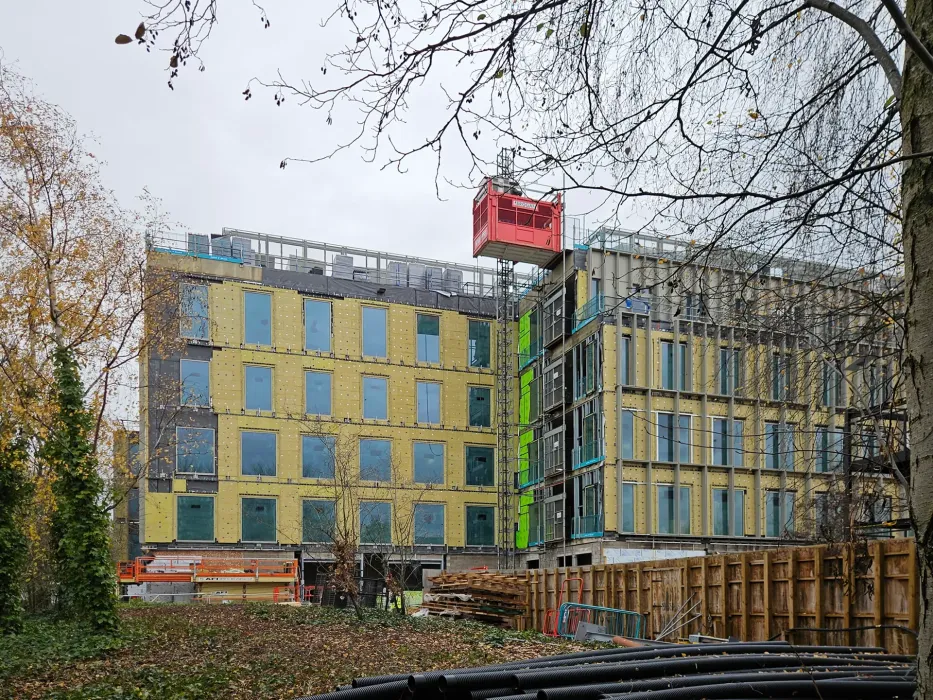
Breakthrough Properties develops purpose-built facilities where life-sciences firms develop groundbreaking biotechnology, so it’s no surprise they embrace cutting-edge methods building design and delivery. This is especially true of their approach to Vitrum by Breakthrough, a new laboratory facility in St. John’s Innovation Park in Cambridge, U.K. Our sustainability specialists, structural designers, façade engineers and protective design experts provided tightly integrated services and helped set a new standard of accountability for embodied-carbon (EC) emissions.
From its inception, Vitrum targeted BREEAM Outstanding certification and included ambitious carbon-reduction goals. And because Breakthrough wanted to push the boundaries of what a laboratory can achieve, they brought in our sustainability team as the project’s carbon consultant early on.
We helped set deliverables targets, shaped plans for limiting EC and developed a plan to track whole-life carbon emissions. We also performed a pre-demolition audit of the existing building on the site to evaluate circularity opportunities (for reusing materials in the new building) and conducted a whole-life carbon assessment for the project. And we developed a process for tracking the actual EC in the building all the way through construction. These measures helped the project win planning approval.
Having a carbon specialist on board early got everyone to focus on EC from the start. Identifying “carbon champions” from each team member – the client, design disciplines and contractors – simplified the process. Our carbon experts could liaise with the champions, who would then coordinate with their teams.
An optioneering phase explored potential structural, façade and MEP elements to uncover systems that offered the greatest efficiency gains. Next came a procurement-strategy review. We researched and reached out to suppliers to ensure availability of less-usual items – like high-recycled-content aluminum for the façade – and to assess cost impacts. This effort pointed the way to the most cost- and time-effective strategies for meeting the project’s lofty sustainability goals.
Our handprint measures how our work creates lasting value for our people, our planet, and the communities we serve.
Realizing architect Henning Larsen’s aesthetic priorities while meeting operational carbon targets required a nuanced approach to the façade design. Instead of relying on typical U-value, or heat-transfer, targets for each façade location, we performed a whole-building energy-performance evaluation. Strategic thermal-performance enhancement of some sections could then offset less-efficient systems in highly visible areas. Thus the façade as a whole achieved the targeted performance without compromising the architect’s vision.
The project also had to meet the U.K.’s biodiversity net gain requirement. The building incorporates numerous bird- and insect-friendly planted terraces on its roof and on several of its six levels, and construction was planned to protect woodland on the site. Our structural team partnered with a civil engineering subconsultant to design a sustainable rainwater drainage system, where runoff is stored to slow its entry into sewers. It included blue roofs and belowground storage as well as aboveground collection pools that create new wet/dry habitats.
Having the project’s carbon specialists under the same roof as its structural and façade engineers streamlined EC reduction in these components. It made it fast and easy to assess and select the best options when multiple systems were under consideration. And continuous collaboration between structural and façade teams helped both optimize and coordinate their designs. One example? The use of lightweight, high-recycled-content aluminum in the façade lowered the amount of structural support framing needed, which provided EC savings.
The structural design offered many additional opportunities for EC reduction. Our engineers used post-tensioned concrete instead of conventional reinforced-concrete slabs. Doing so both reduced the amount of steel needed and allowed slabs to be thinner, thus using less concrete. This lowered the weight of the structure, which allowed the foundation system to be smaller, providing even greater savings in material and EC.
Another innovative approach was the use of temperature-dependent concrete mixes. On warmer days, it takes less cement to create the chemical reaction needed to reach the required three-day strength. Minimizing EC-intensive cement is a highly effective way to reduce a building’s carbon footprint, but it requires everyone to buy in, from the client to the supplier and the foreman at the construction site. We worked closely with project partners to identify the portions of the structure that were appropriate for this approach and to develop detailed sequencing and coordination.
We also tracked the building’s actual EC through construction. Every month, our sustainability team checked to make sure that materials and delivery methods lived up to the design specifications. The focus on carbon from the project’s start, as well as early engagement with contractors and suppliers, ensures that EC-reduction plans and designs make it off the drawing board and drives real improvements the ways the building impacts the environment.