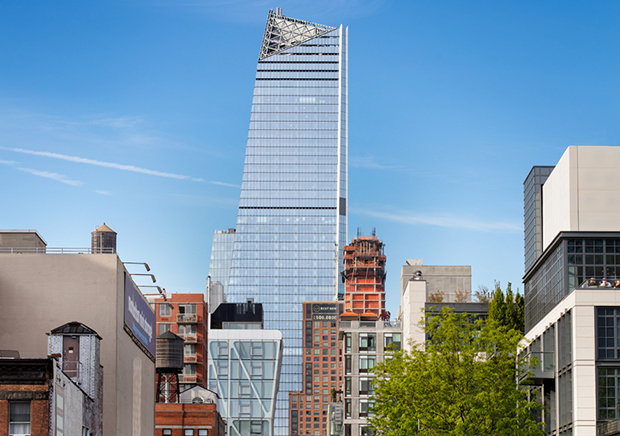
Steve Freihon/Related-Oxford
New York, New York
Global experience.
Regional perspective.
Local impact.
New York, New York
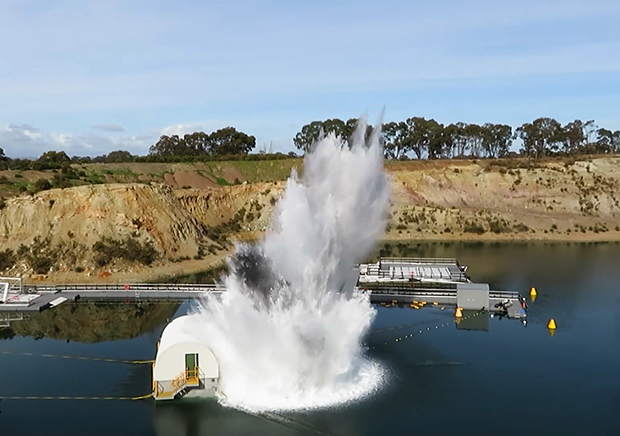
Australia

London, United Kingdom
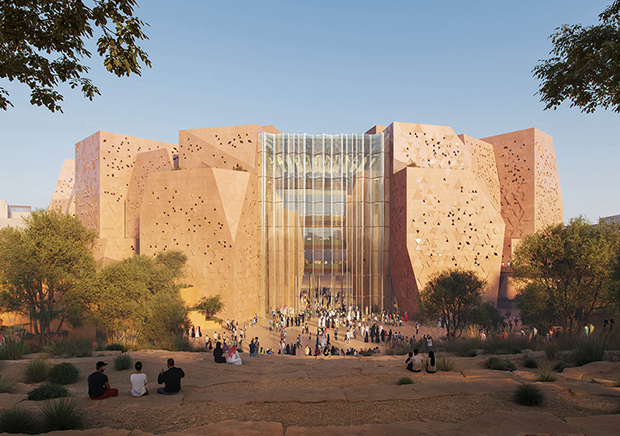
Diriyah, Riyadh, Saudi Arabia
The 2026 World Cup is well underway, and one question is dominating sports coverage: How bad will the heat be?
Recent matches have justified the concern. More than one-third of tournament matches carry a high-risk rating for dangerous heat and humidity. Fourteen of the 16 host cities regularly exceed 82 degrees Fahrenheit in June and July. At Estadio Azteca in Mexico City, which is hosting its third World Cup, the number of extreme heat days each year has increased fivefold since 1986.
FIFA's response has been revealing. The governing body has concentrated many of its highest-profile matches, including both semifinals, in venues with roofs and air conditioning. To engineers, that scheduling decision reflects a broader reality. The challenge extends beyond heat. Modern stadium design is an optimization problem: stadiums must balance the competing needs of players, spectators, natural turf and commercial operations under changing environmental conditions.
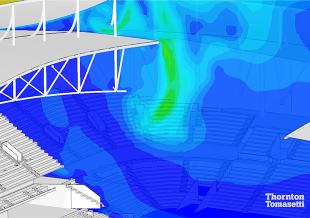
That balancing act increasingly depends on computational fluid dynamics (CFD) and other advanced engineering tools. CFD allows engineers to predict how airflow, temperature, humidity, and crowd effects will behave inside a stadium before it is built or renovated. As the World Cup unfolds, the tournament will also test the engineering decisions embedded in the venues themselves.
Much of the conversation has focused on heat, but engineers face a broader challenge: balancing player performance, fan comfort, natural turf health, and year-round stadium operations. Improving one often requires trade-offs with another, making modern stadium design a complex set of decisions rather than a single engineering solution.
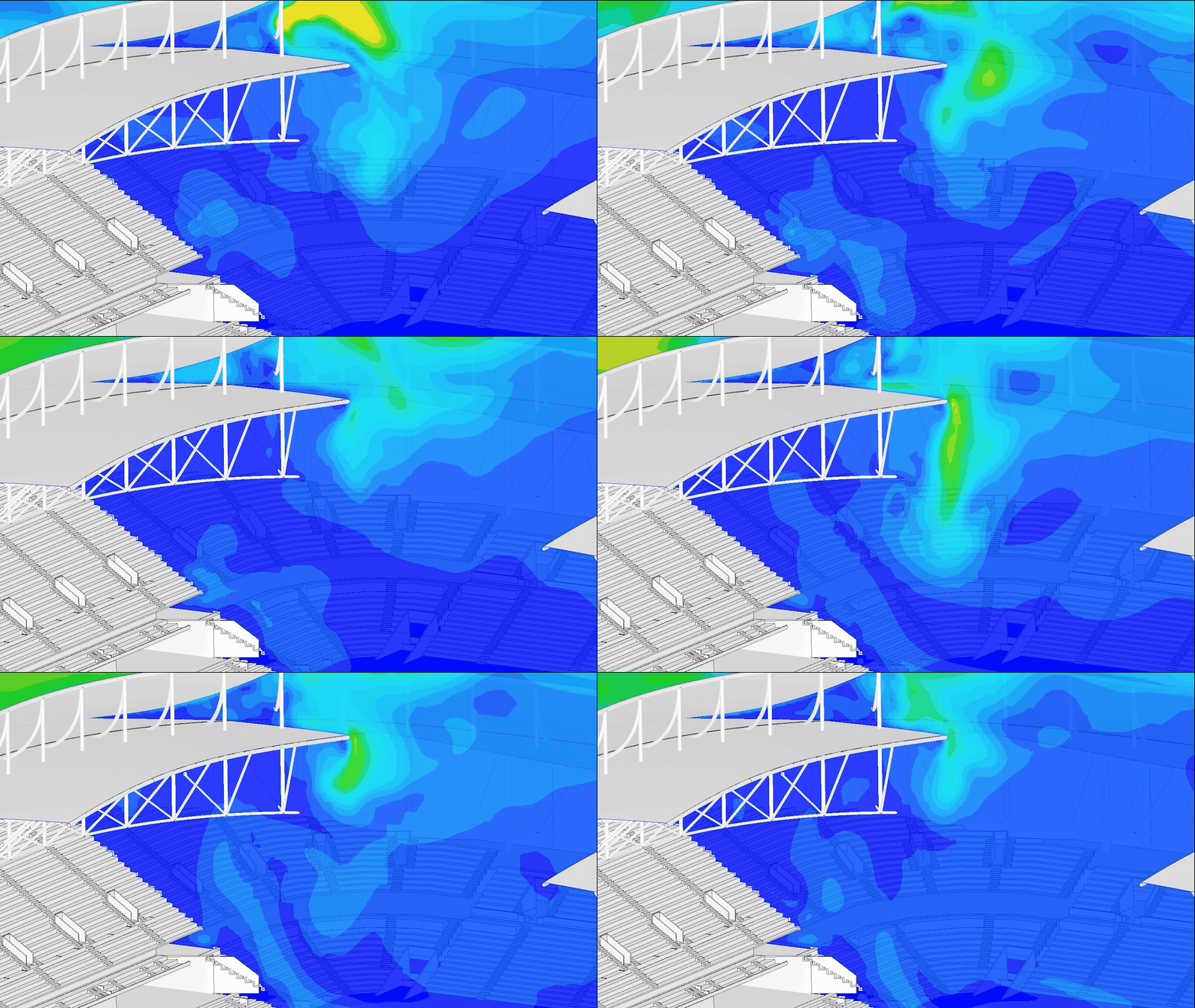
Modern stadiums must satisfy three competing priorities, and those priorities often conflict with each other.
Players need conditions that support performance, including cooler temperatures, controlled humidity, and limited glare. Natural grass has different requirements. Turf thrives with airflow, sunlight, and moisture. It struggles when roofs remain closed, concerts cover the field, or ventilation is restricted.
Fans want shade, comfort, and the atmosphere of an enclosed bowl. FIFA also requires that seating is protected from rain. Stadium owners face a different challenge. To remain financially viable, venues must host concerts, conferences, esports competitions, and corporate events throughout the year.
Grass grows best in an open stadium. Fans generally feel more comfortable in an enclosed one. Commercial operators often need something else entirely. No stadium can fully optimize for all three. Every design becomes a negotiated compromise.
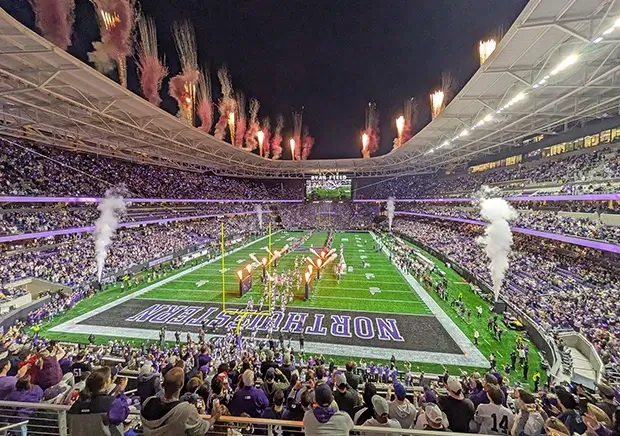
World Cup 2026 places those trade-offs under an unusually bright spotlight. The tournament spans venues ranging from the open-air, high-altitude Estadio Azteca to Houston's climate-controlled NRG Stadium.
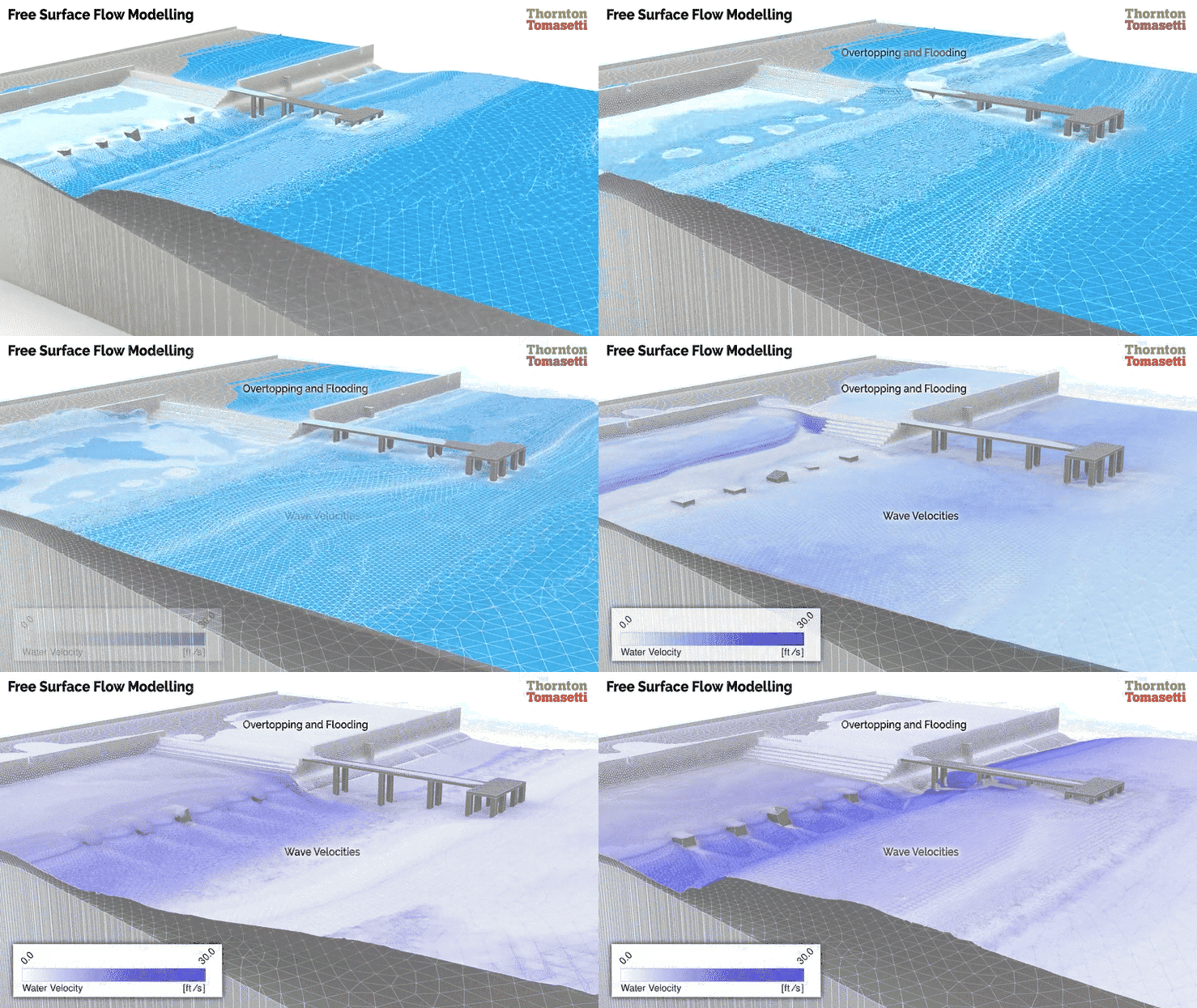
CFD allows engineers to simulate airflow, temperature, humidity and ventilation before construction begins. These simulations help design teams evaluate different roof, façade, and cooling strategies to improve comfort, field performance and operational flexibility.
Yes. Without sufficient ventilation or cooling, enclosed stadiums can trap solar heat and crowd-generated heat, creating temperatures that exceed those in comparable open-air venues.
Natural grass requires sunlight, airflow, and moisture to thrive. Enclosed roofs can reduce these conditions, requiring supplemental grow lights, hybrid turf systems or other maintenance strategies to maintain professional playing surfaces.
Because the environmental conditions that benefit one objective often work against another. Engineers use simulation tools to understand these trade-offs and help owners make informed decisions before construction begins.
Closing a roof may seem like the obvious response to extreme heat. In some cases, it can make conditions worse.
Without adequate cooling, enclosed spaces can trap heat. Solar radiation enters through translucent roof materials, air temperatures rise, and tens of thousands of spectators add significant heat loads. Without sufficient ventilation, conditions inside a partially enclosed stadium can exceed those in a comparable open-air venue.
Qatar's 2022 World Cup showcased one approach. Chilled air was delivered through thousands of vents beneath spectator seating, creating controlled environments across multiple venues. Fans benefited from the cooling system, but pitch-level conditions remained harder to regulate. The challenge highlighted how different users within the same stadium can experience different environments.
The pitch often provides the clearest evidence of competing stadium demands.
Five World Cup 2026 venues have enclosed roofs that limit natural sunlight. To maintain tournament-quality turf, operators use artificial grow lights inside facilities originally designed to shield interiors from the weather. The approach works, but it also illustrates the challenge of adapting multipurpose venues for elite soccer/football.
The 2024 Copa América provided a public preview. Argentina goalkeeper Emiliano Martínez described the playing surface at Mercedes-Benz Stadium in Atlanta as "a disaster". Observers linked the issues to the stadium environment and temporary turf systems, which can develop seams and inconsistencies under heavy use.
FIFA responded by requiring hybrid turf at all 2026 venues and installing pitches months in advance to allow proper establishment.
London’s Wembley Stadium offers another example. Since opening, the pitch has been re-laid more than a dozen times. Maintenance alone has never caused the problem. Concerts and non-football events place extraordinary demands on a surface expected to perform at the highest level throughout the year.
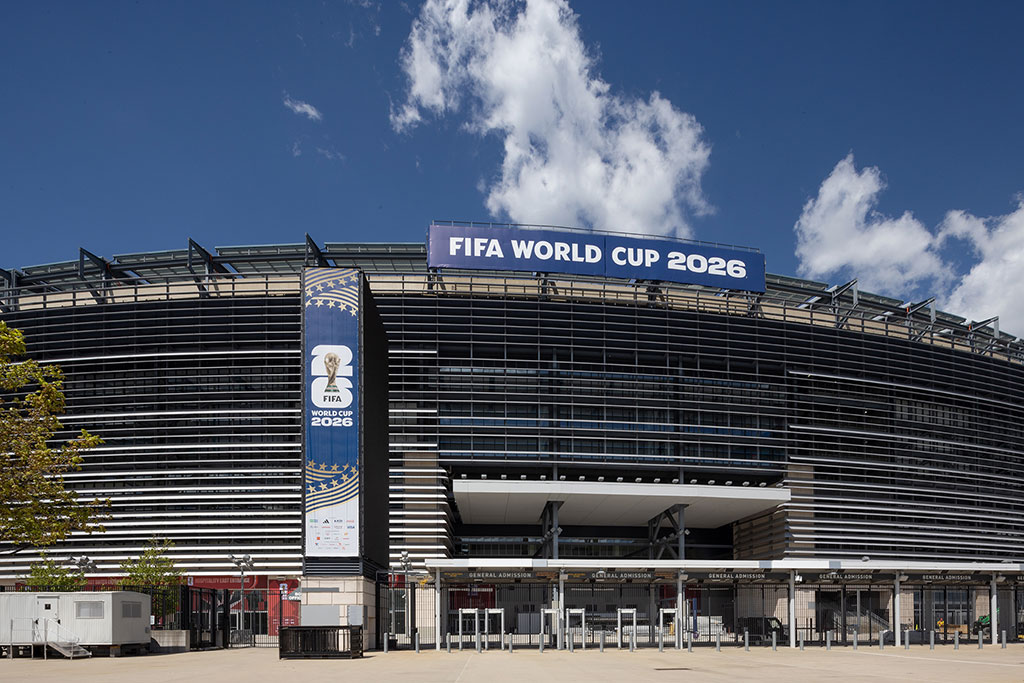
A stadium is a massive, highly dynamic thermodynamic puzzle. Tens of thousands of spectators, living turf, changing weather conditions, and multiple event configurations all interact. Small design decisions can have significant downstream effects.
Across World Cup venues and major sports facilities worldwide, one lesson is clear: There is no universal solution.
Successful projects begin by deciding which priorities matter most, because no stadium can optimize every objective simultaneously. Should football performance take precedence? Spectator comfort? Commercial flexibility? The answers shape decisions about roof design, ventilation, cooling systems, and field operations.
Computational engineering analysis has improved stadium decision-making. Design firms use CFD and integrated engineering models on major sports and entertainment projects, including several venues preparing for World Cup 2026. During concept design, engineers can test dozens of stadium roof, seating, bowl, façade, ventilation, and cooling configurations before construction begins. During detailed design, the same models help verify that the completed systems will perform as intended.
Cloud computing and AI allow engineering teams to evaluate competing requirements, understand trade-offs, and make more informed decisions long before construction begins.
As temperatures rise throughout the tournament, some venues will perform better than others.
The differences will not come down to heat, roofs, or air conditioning alone. They will reflect how effectively each stadium balances the competing demands of athletes, spectators, turf, and year-round operations.
FIFA's scheduling choices already suggest which venues it trusts most under demanding conditions. Real-time tournament conditions will test the rest.
The broader lesson extends beyond the World Cup. Engineering simulations, CFD analysis, and early design decisions that determine how competing priorities are balanced increasingly shape modern stadium performance long before opening day.
Watch the pitches. Watch the crowds. Watch the temperatures.
Most of all, watch which stadiums make a highly complex challenge look effortless.
Planning a sports project? Talk to our arena and stadium engineering experts
Thornton Tomasetti brings unmatched multidisciplinary technical expertise to every aspect of sports facility design and construction, We add value through collaboration – looking beyond our own scope to understand how each team member’s work intersects with ours and finding ways to integrate and streamline the process. We look beyond the obvious, exploring alternatives to identify the unique approach best suited to each project.
SimScale brings together CFD, cloud computing, and AI to help customers better understand complex stadium design interactions and navigate competing requirements across many variables. This helps engineering teams make more informed design decisions and evaluate trade-offs long before construction begins.