Steve Freihon/Related-Oxford
New York, New York
Global experience.
Regional perspective.
Local impact.
New York, New York
Australia
London, United Kingdom

Diriyah, Riyadh, Saudi Arabia
"Getting 97 done" means reducing your property's carbon emissions through a variety of decarbonization programs. Here's how we can help.
 Ryan DeBerardinis/Shutterstock
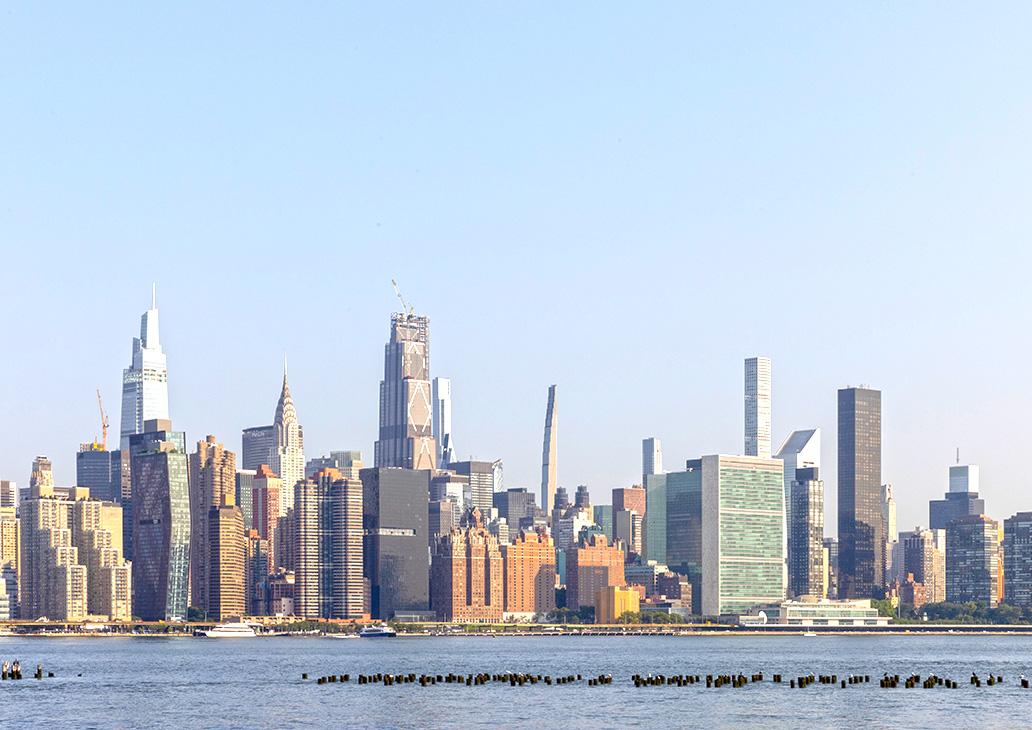
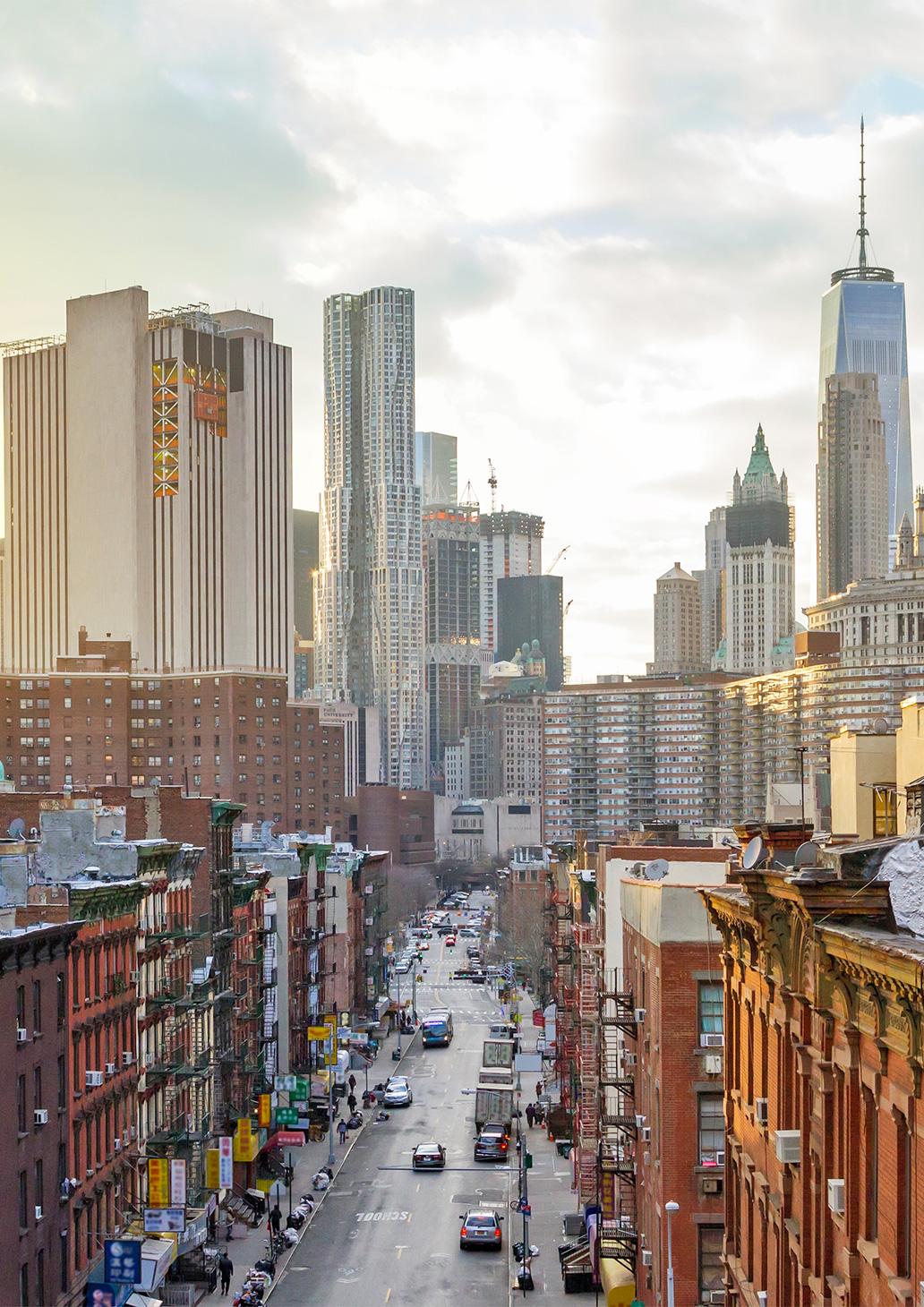
Local Law 97 (LL97) was enacted by the New York City (NYC) Council in April 2019 as the centerpiece of the Climate Mobilization Act to reduce the city’s emissions and achieve carbon neutrality by 2050. NYC buildings account for approximately two-thirds of GHG emissions in the area.
The following are key timeline periods required by the law:
The goal is to reduce emissions produced by the city’s largest buildings by 40% by 2030 and 80% by 2050.
Our multidisciplinary New York-based team has expertise in the City’s current building ordinances, including:
In One New York: The Plan for a Strong and Just City (OneNYC), released in April 2015, NYC committed to its 80x50 plan, a vision for reducing GHG by 80% by 2050. The resulting Climate Mobilization Act (CMA), passed in 2019, included LL97, the centerpiece legislation requiring incremental reduction of GHG emissions starting in 2024 and ending with the achievement of the climate goal in 2050.
GHG Emissions
GHG emissions are calculated based on the amount of consumed energy and a coefficient associated with the type of fuel used. Emissions are expressed as tons of carbon dioxide (CO2) per 1,000 Btu of energy produced (tCO2e /kBtu), including:
Building Emission Limits
Building emissions intensity is defined as the emissions per square foot of gross floor area (tCO2e/sf).
Penalties
Buildings that exceed their emissions intensity limit are subject to a penalty of $268 for each tCO2e per year over the limit. Therefore, if a building exceeds its emissions allowance by 100 tCO2e in a given year, it will incur a penalty of $26,800.
Thornton Tomasetti takes climate action seriously and has assisted clients for decades on all types of structures throughout NYC. We have established an excellent working relationship with the NYCDOB and can help you in auditing existing building systems, reviewing energy usage and emissions levels and preparing the required annual building emissions report, along with any required follow-on work, such as preparing contract documents, assisting with bidding and negotiation, and performing site visits and construction administration services.
How do we do this? Our specialized teams are already helping clients work toward the ambitious LL97 goals in a variety of ways:




Contact us with any immediate questions or to request any Local Law 97 guidance or services, please complete the form below and one of our experts will contact you directly.