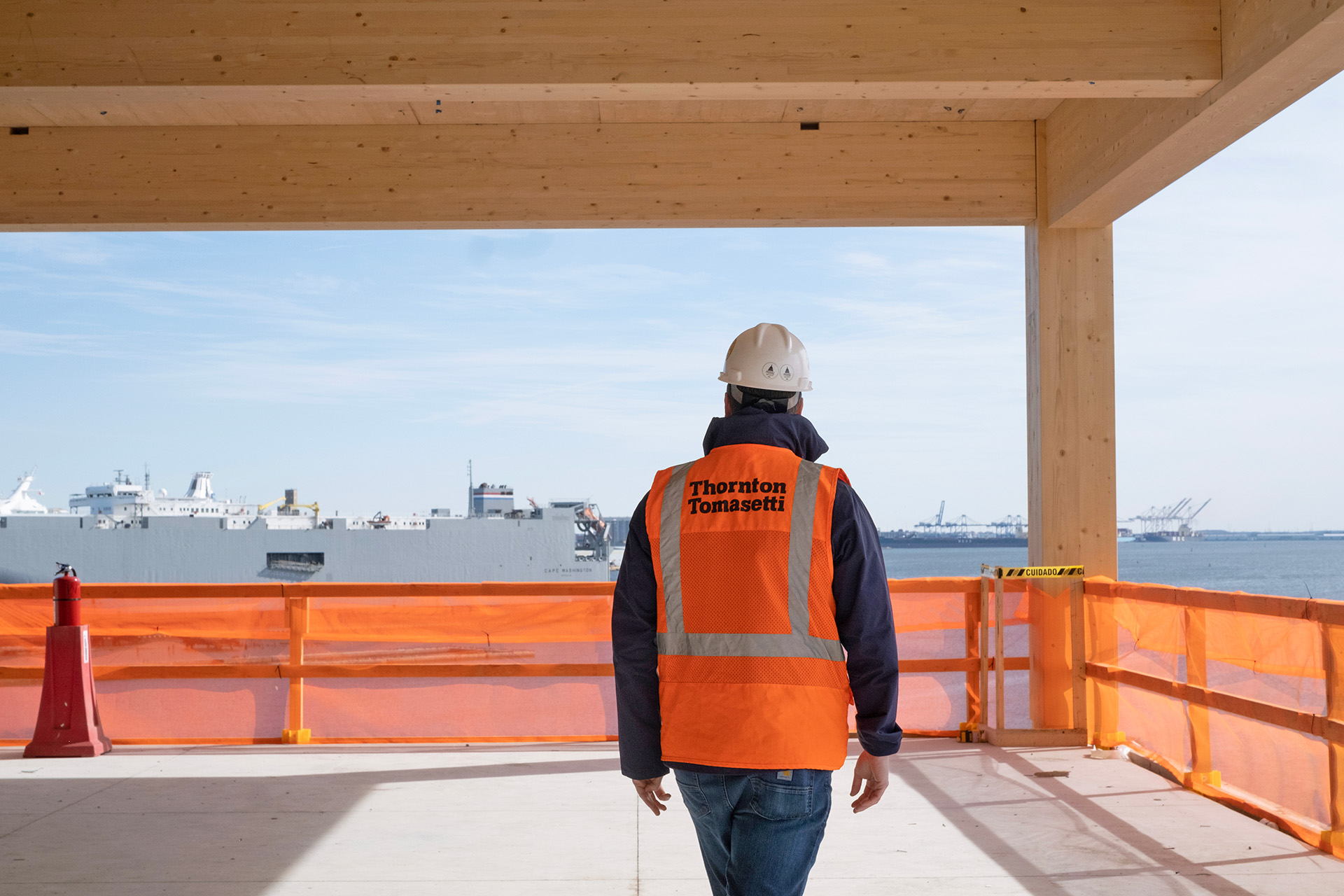
Steve Freihon/Related-Oxford
New York, New York
Global experience.
Regional perspective.
Local impact.
New York, New York
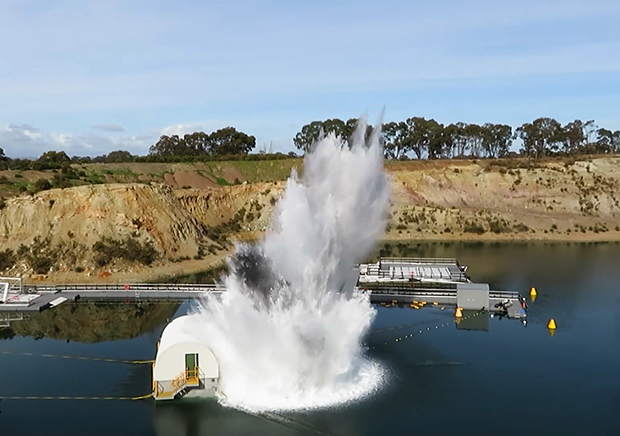
Australia

London, United Kingdom
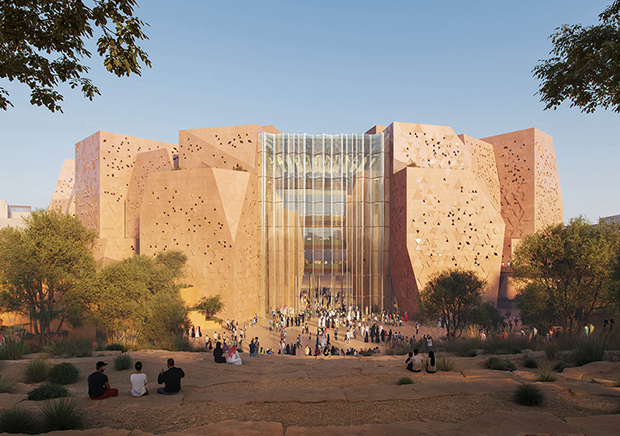
Diriyah, Riyadh, Saudi Arabia
We collaborate with architects, suppliers and builders to deliver efficient, constructable designs that help manage costs and risk – and make mass timber work for more projects.


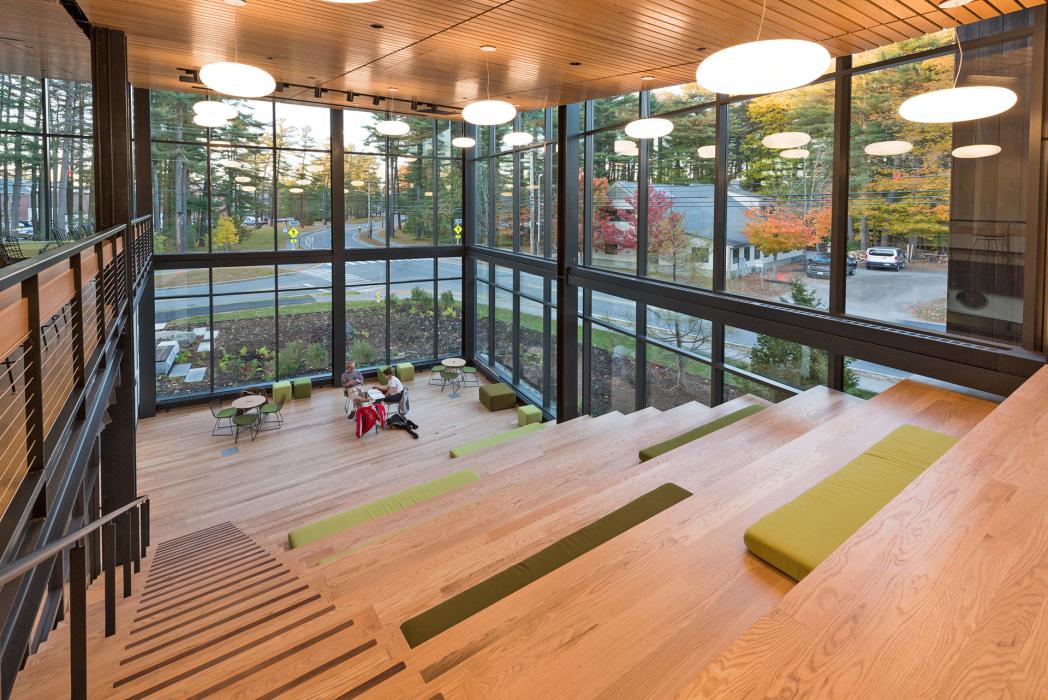
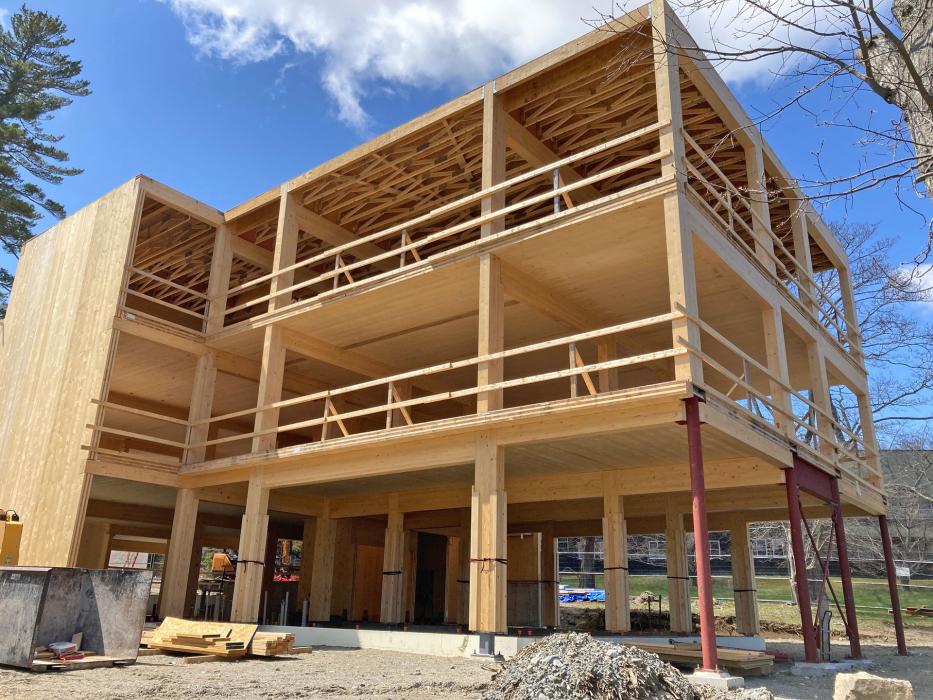
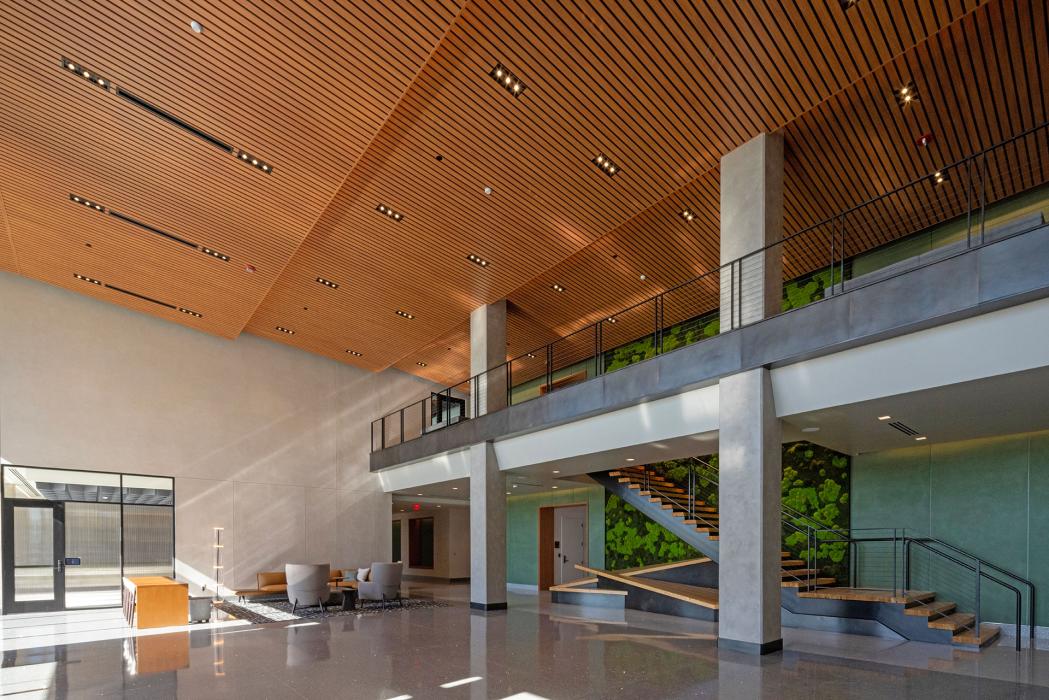
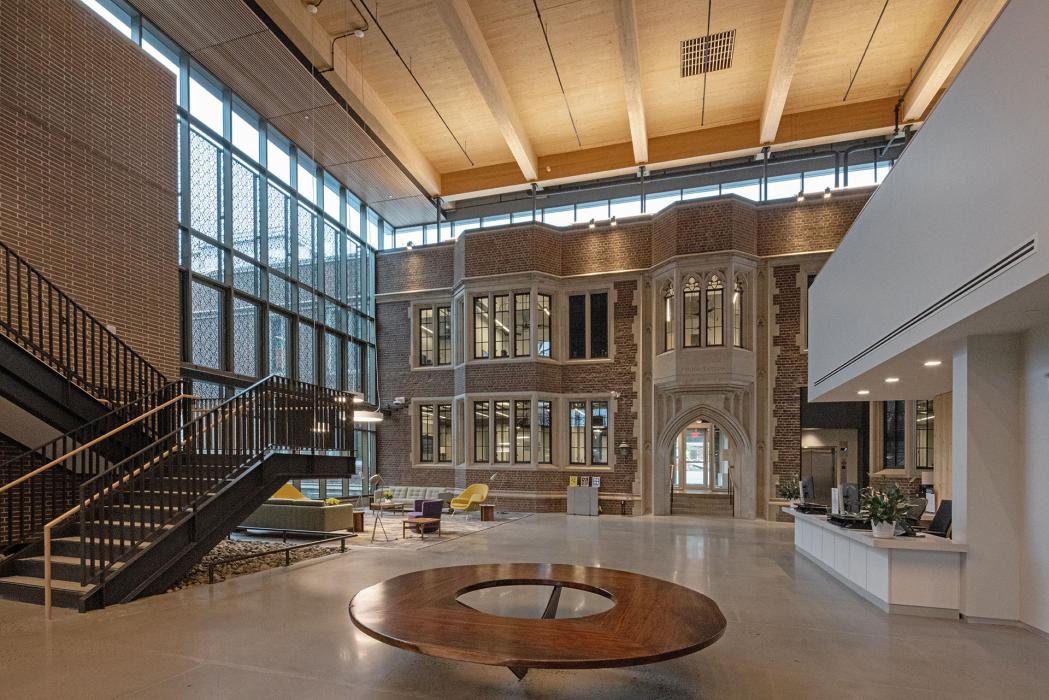
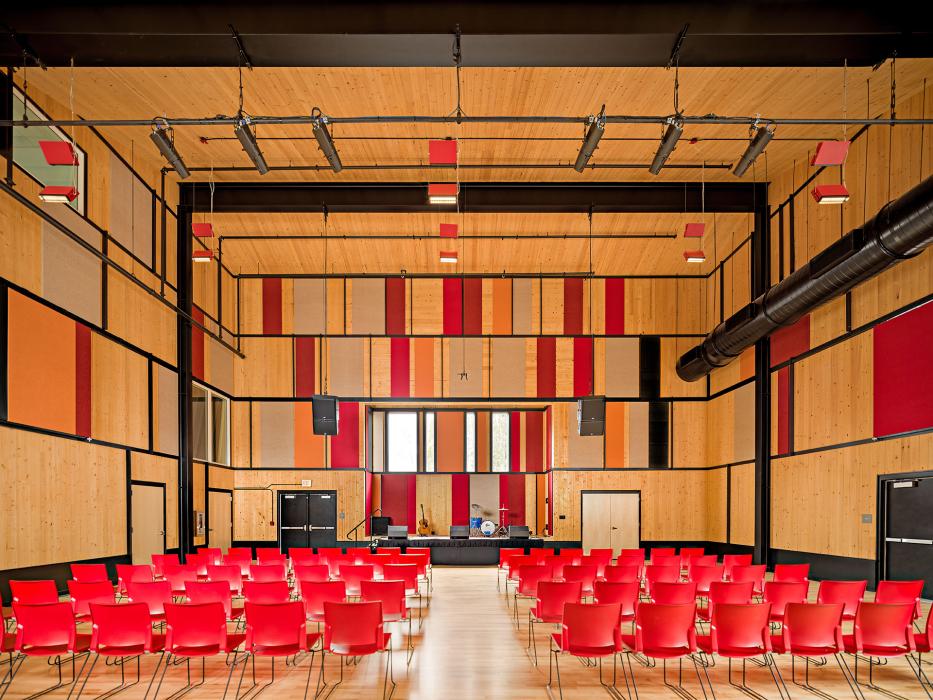
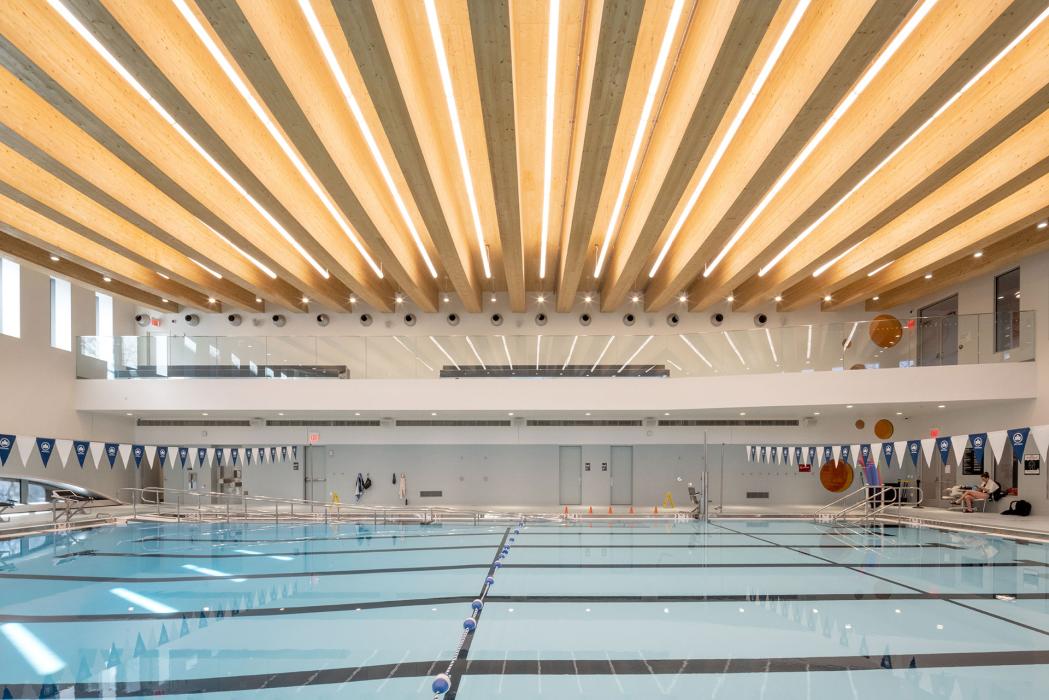
Mass timber construction offers a lower-carbon path to high-performance buildings, but successful projects require early structural design, constructability planning and risk management. Thornton Tomasetti helps owners, architects, developers and builders evaluate mass timber systems, address fire, connection, vibration and procurement challenges, and coordinate design decisions from concept through construction.
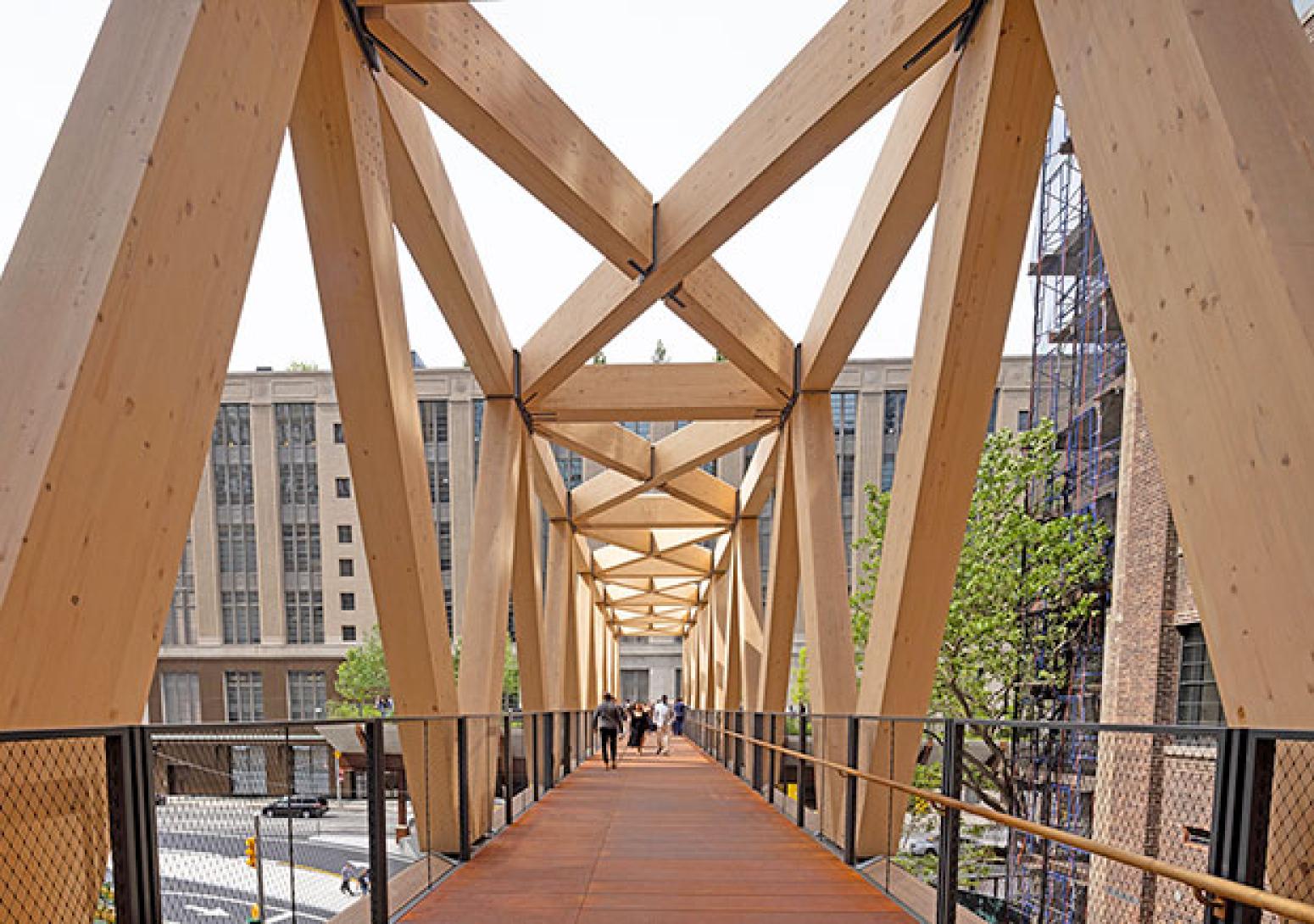
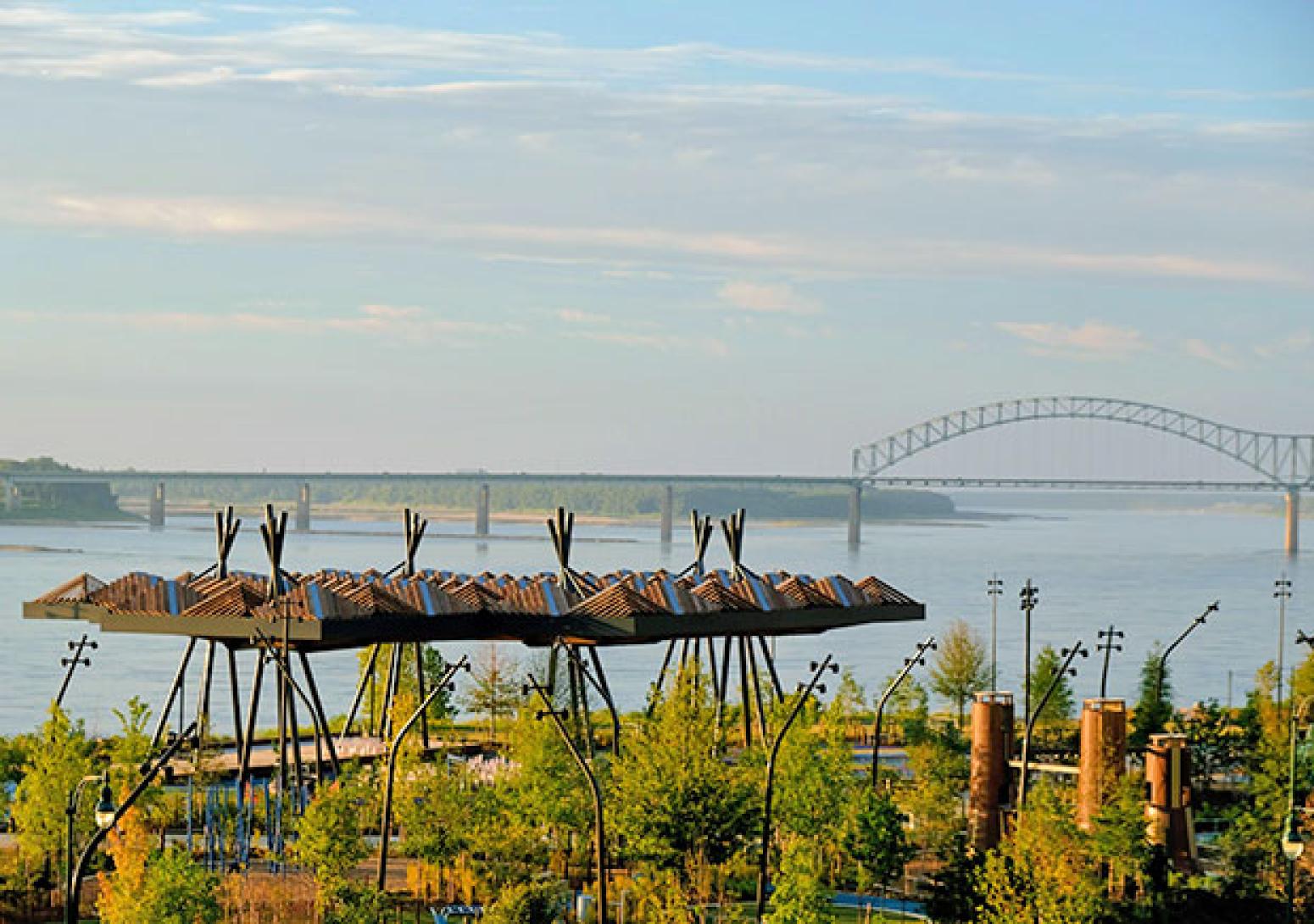
Our experts have designed mass timber solutions for an array of building types, including commercial buildings, high- and low-rise residential, healthcare and labs, academic buildings, data centers, cultural and arts centers, sports and recreation, aviation facilities, and bridges and transportation infrastructure.
Listen to our podcast: Mainstreaming Mass Timber
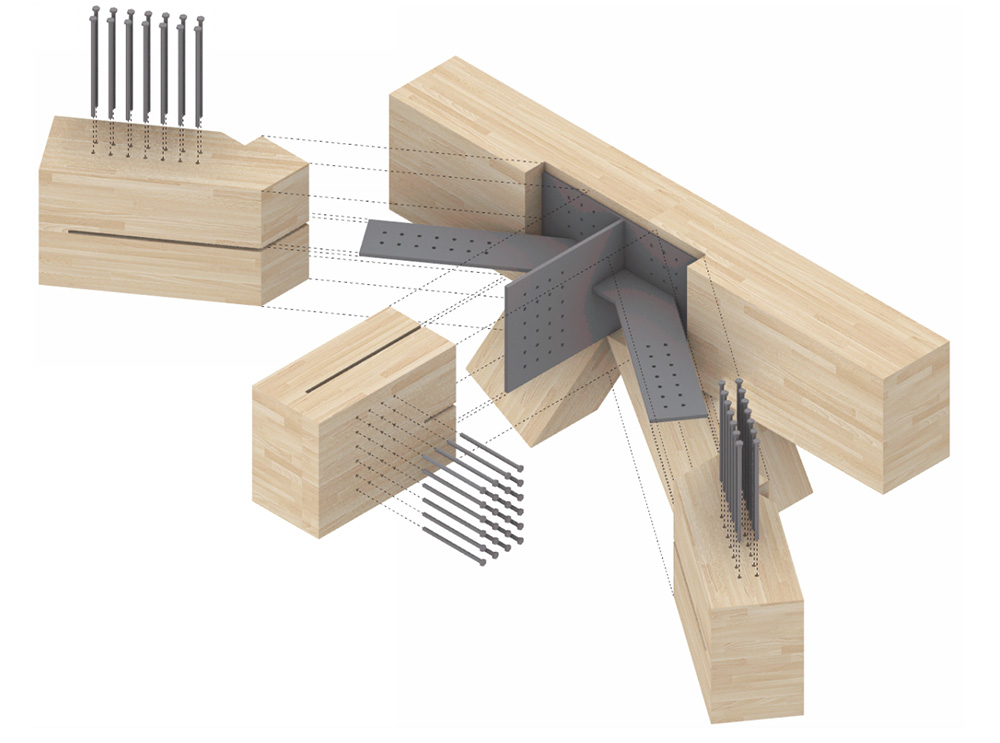
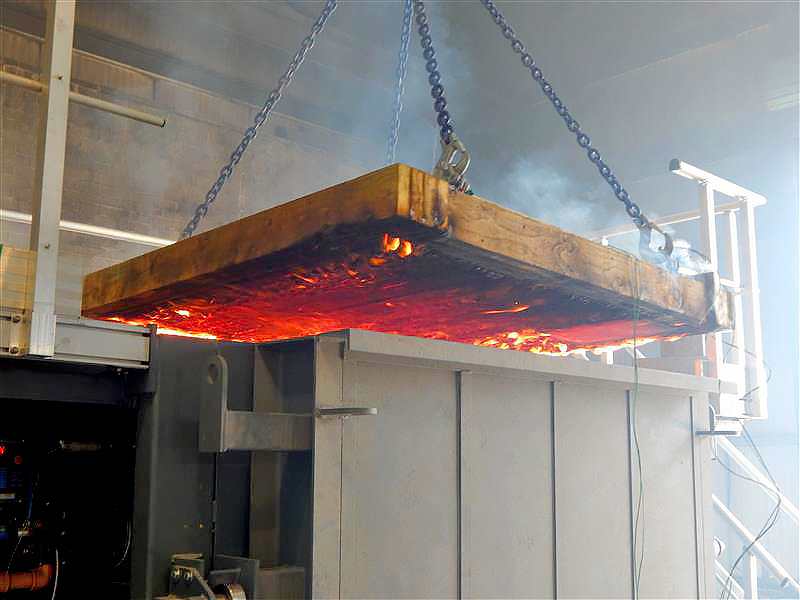
Mass timber structural design requires early coordination across structural engineering, fire engineering, procurement, fabrication, construction engineering, acoustics, vibration performance and code approvals. The biggest challenges are not limited to member sizing. They often involve interactions between structural performance, connection detailing, fabrication tolerances, fire protection, constructability and jurisdictional approval pathways.
For owners and design teams, the most common challenges include:
Addressing these issues early helps project teams compare structural systems, clarify approval pathways, reduce redesign, and make cost and schedule decisions while design options are still flexible.
Mass timber projects benefit from early engineering decisions that account for structural systems, fire performance, procurement, fabrication, erection sequencing and long-term building performance. With experience across project types and timber manufacturers around the world, Thornton Tomasetti helps owners, architects, developers and builders understand the design and delivery decisions that make mass timber projects successful.
Our teams help evaluate initial costs, realistic schedules, insurance considerations, code-compliance strategies, variance pathways, timber system options, consultant and supplier selection, and bid requirements. This early guidance helps project teams make informed decisions before design changes become costly.
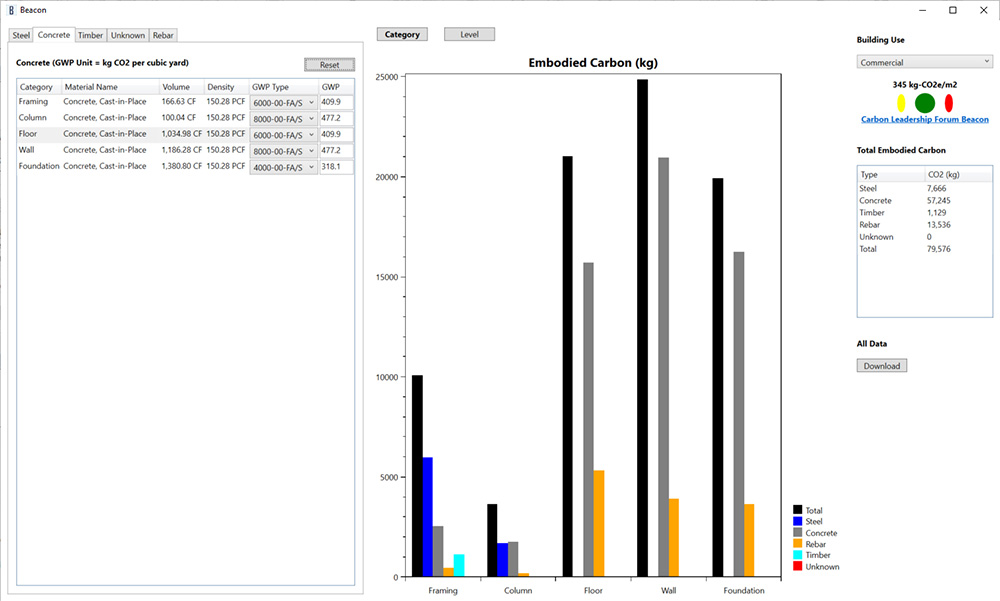
Embodied carbon is one of the main reasons design teams consider mass timber, but the carbon impact of a structural system depends on material quantities, system selection, spans, grids, connections and reuse potential. We developed Beacon, a carbon calculator tool that simplifies concept-stage embodied carbon analysis, providing quick, high-level feedback and clear data visualization of a structural system’s embodied carbon performance.
Early supplier involvement is critical in mass timber design because product availability, fabrication capabilities, preferred connection strategies, shipping limits and erection sequencing can all affect the structural system. Design-build or design-assist delivery can help the project team coordinate these requirements before major design decisions are locked in, improving constructability and increasing cost and schedule certainty.
For public and institutional projects that require a traditional design-bid-build process, mass timber can still be successful. But two factors become especially important: working with designers who understand mass timber systems and allowing enough time between procurement and construction to refine the design with the selected supplier.
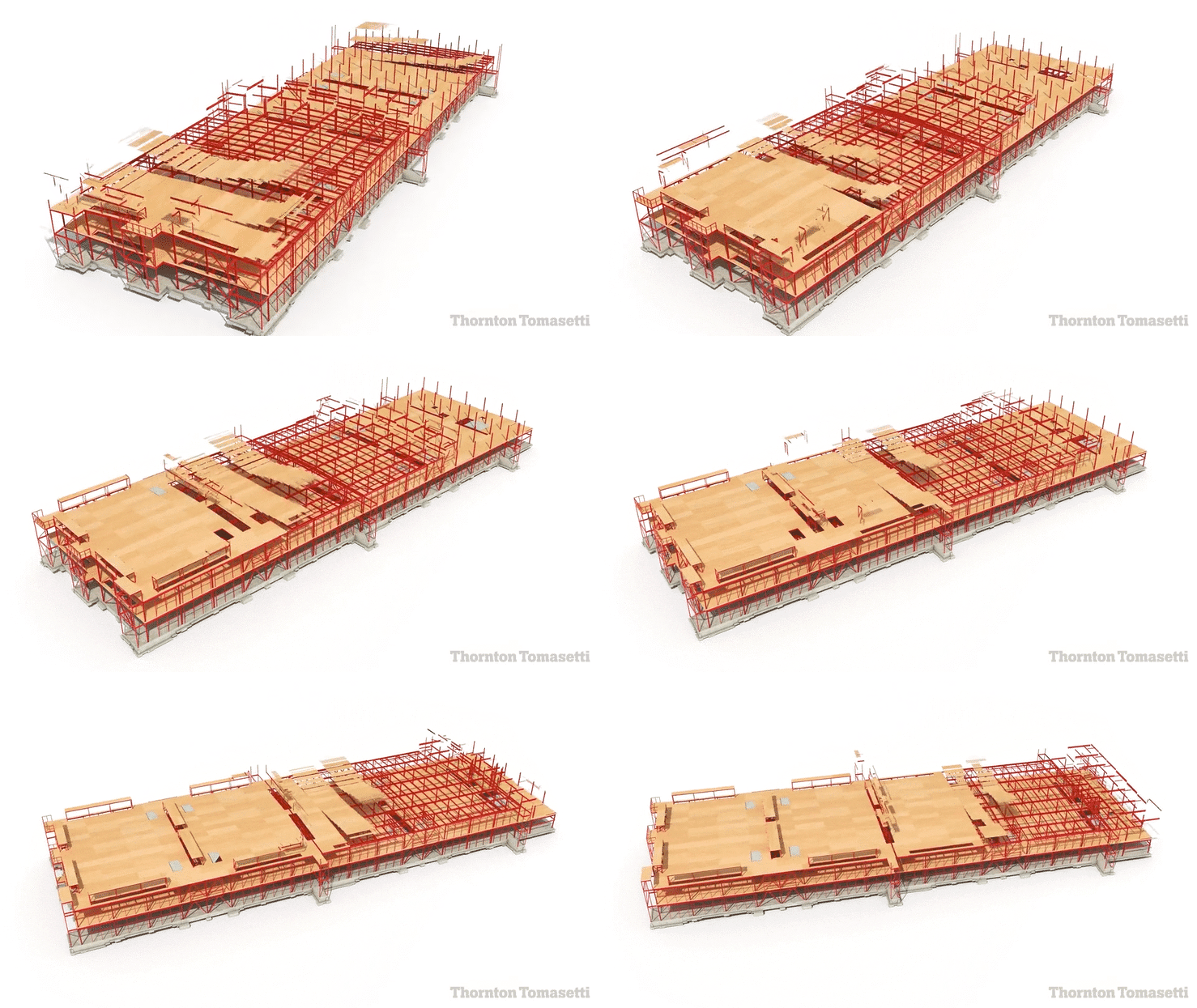
A typical mass timber project can require months of coordination between engineers, contractors, and third-party modelers after bidding. Thornton Tomasetti’s Advanced Timber Delivery (ATD) service brings that coordination into the design phase. Structural teams collaborate with in-house modelers and construction engineering experts to create a detailed, fully connected 3D model that can be shared with the manufacturer and construction team.
This approach helps reduce one of the most common mass timber challenges: late-stage coordination between structural design, fabrication and field installation. By resolving fit-up issues earlier, ATD can support shorter construction schedules, better cost certainty during bidding and fewer conflicts or delays in the field.
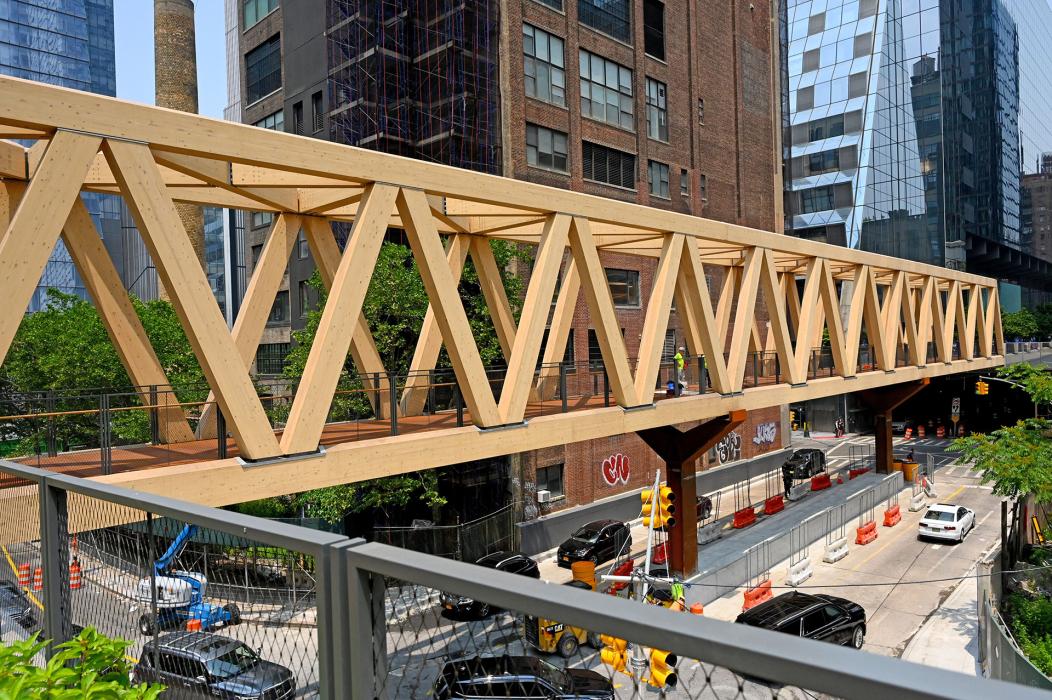
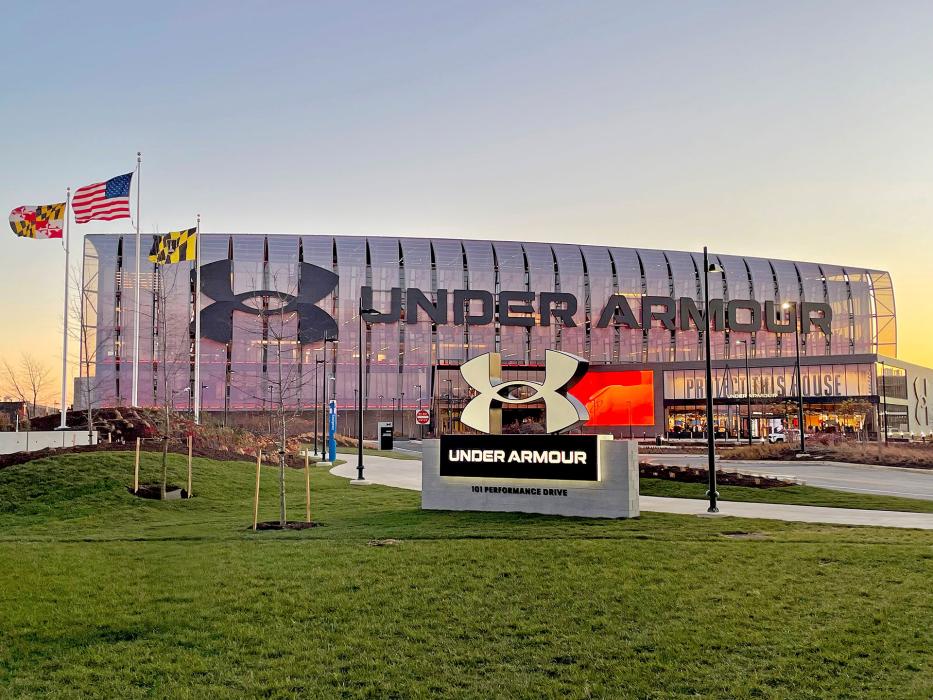
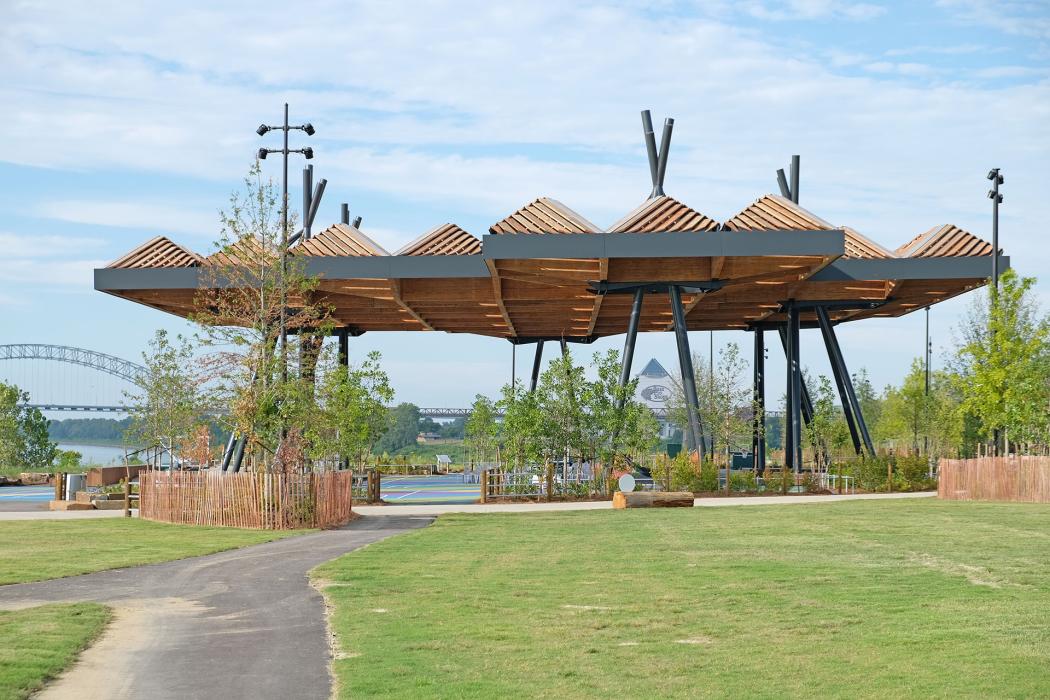
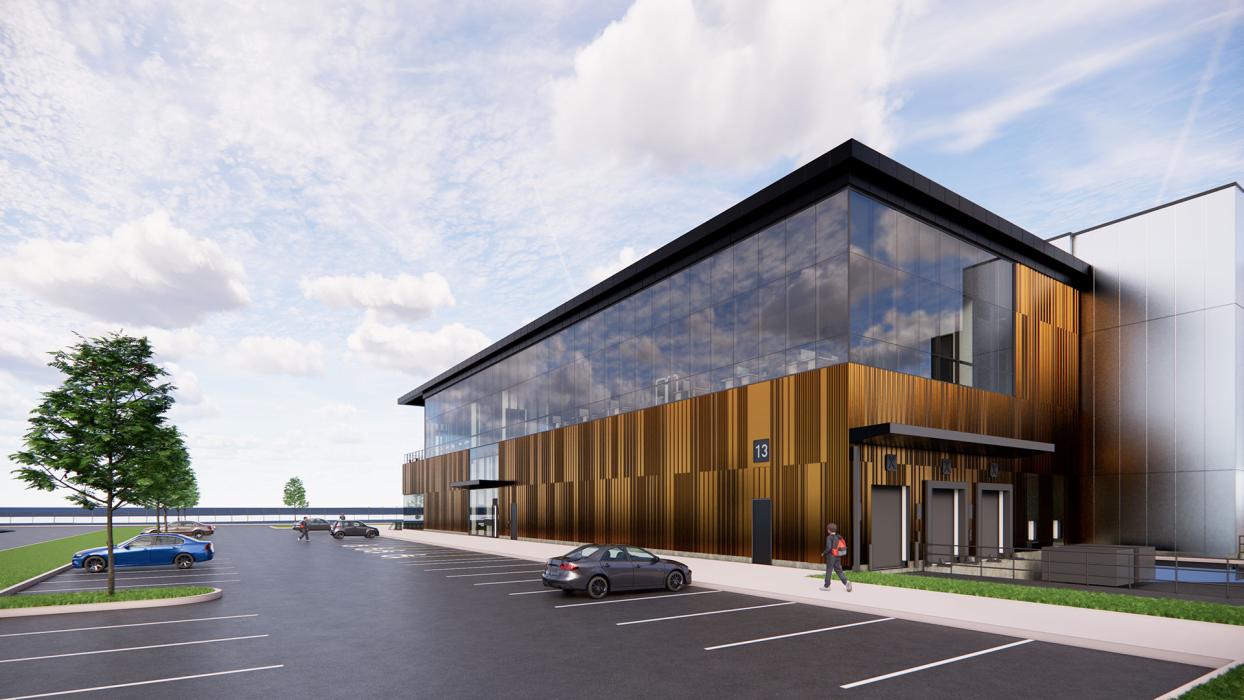
Design teams choose mass timber because it can reduce embodied carbon, accelerate construction and create warm, high-performance spaces when the system is planned early and coordinated across disciplines. Compared with conventional steel or concrete systems, mass timber can offer lower embodied carbon, store biogenic carbon within the timber elements and support circular construction strategies when components are designed for future reuse.
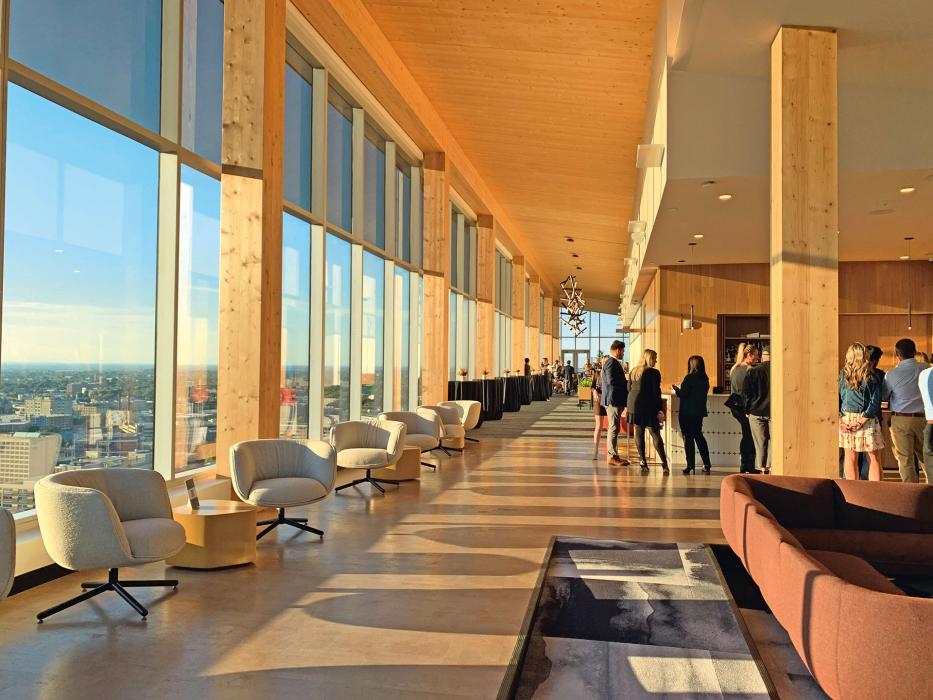
When mass timber is left exposed, biophilia – the innate affinity people have with nature – becomes another virtue of the material. Its warmth, grain patterns and sensory qualities can contribute to occupant well-being. Leaving timber exposed can also reduce the time and expense of installing finishes.
Mass timber can also create construction advantages. Because timber is lighter than steel and concrete, it can allow for more efficient substructures and, in some cases, reduce the need for deep foundation systems. Shop-fabricated timber elements can simplify on-site erection, support faster construction and reduce crew sizes. These efficiencies can help offset material costs while improving speed-to-market.
Mass timber is evolving as design teams look for lower-carbon, faster-to-construct and higher-performance structural systems. Thornton Tomasetti is developing tools, workflows and delivery methods that help project teams evaluate mass timber framing systems for strength, constructability, fire performance, vibration, acoustics and embodied carbon earlier in design.
This work helps expand where mass timber can be used and supports better decisions about when timber, hybrid or conventional systems are the right fit for a project.







Insight
Mass Timber & Wider Sustainability Goals
Insight
GreenBox, an Innovative Mass Timber Floor System
Insight
Vibration and Acoustics in Mass Timber
Insight
Mass Timber and Fire Safety
Insight
Better Options for Mass Timber Procurement
Insight
Setting Up Tall Mass Timber for Success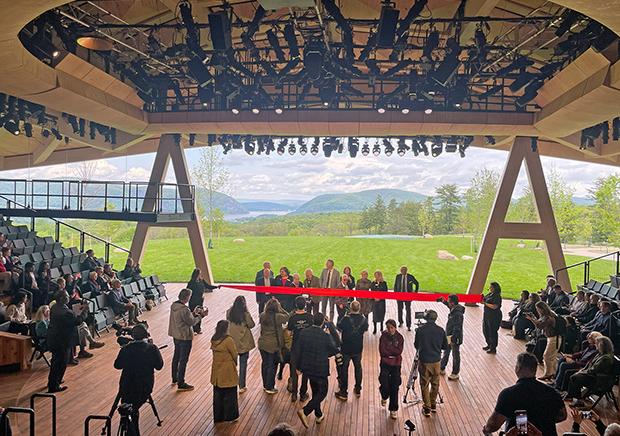
News
Samuel H. Scripps Theater Center Opens in New York