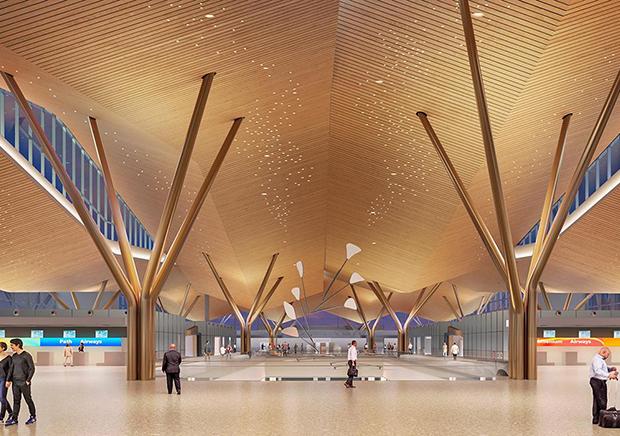

Steve Freihon/Related-Oxford
New York, New York
Global experience.
Regional perspective.
Local impact.
New York, New York
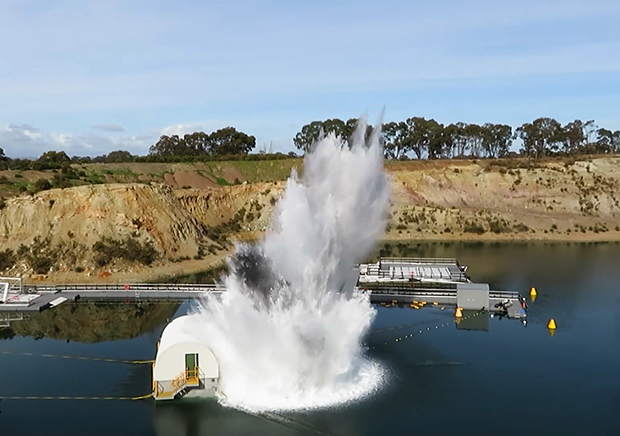
Australia

London, United Kingdom
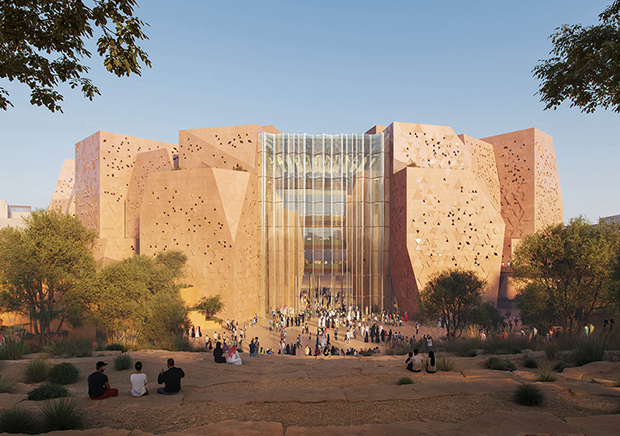
Diriyah, Riyadh, Saudi Arabia
Flexibility. Improved aesthetics. Safety. Cost savings. That's the value of pairing performance-based principles with fire engineering.


Prescriptive, code-based fire-protection design has limitations: it doesn’t account for project specifics. Instead, its focus is usually on preventing local failure of individual members, without considering how these failures affect the overall structure.
With PBFE, we can answer questions that matter to building owners and operators: Can everyone exit the building safely? Is the structure safe to reoccupy after a fire? Can we reduce or eliminate fireproofing where its impact is minimal? And what are the trade-offs if we use a different design to achieve the same fire-protection goal?
We evaluate fire risk and develop practical, performance-based solutions to fire-related engineering problems, adding fireproofing only where and how it’s needed to lower costs. Our designs increase the resilience and safety of buildings – and their occupants.
We also merge cutting-edge data-gathering technology with advanced analytics to investigate the causes, origins and effects of fires.
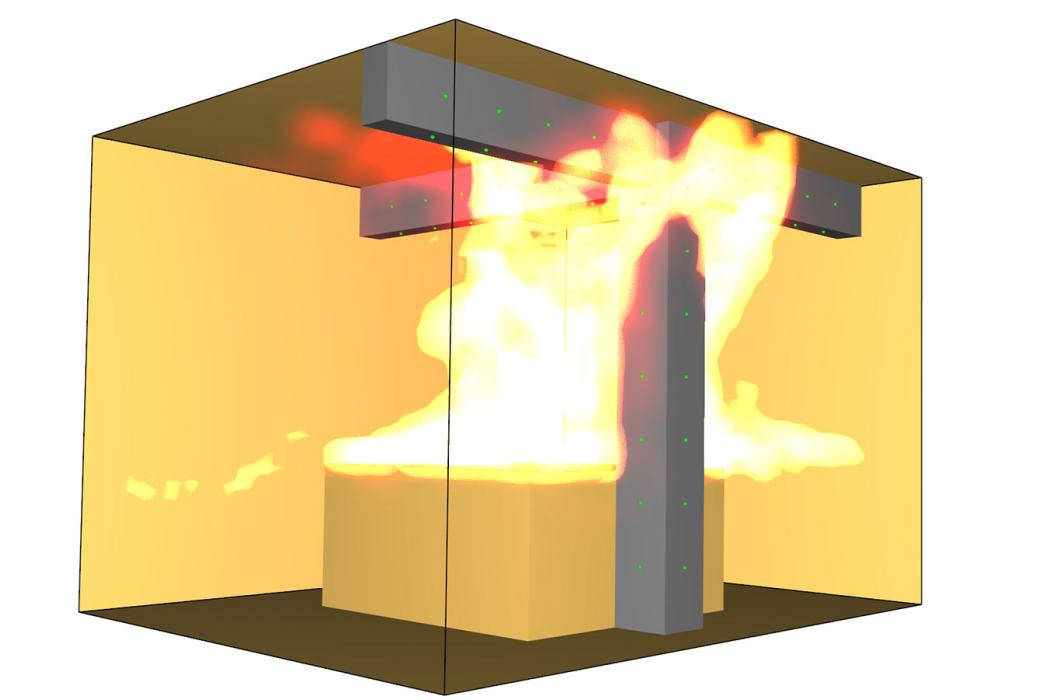
Our experts in fire science and physical modeling analyze fire dynamics, heat transfer, smoke propagation, structural behavior and human response to fire to understand risks. This scientific approach helps us craft better fire-protection strategies.
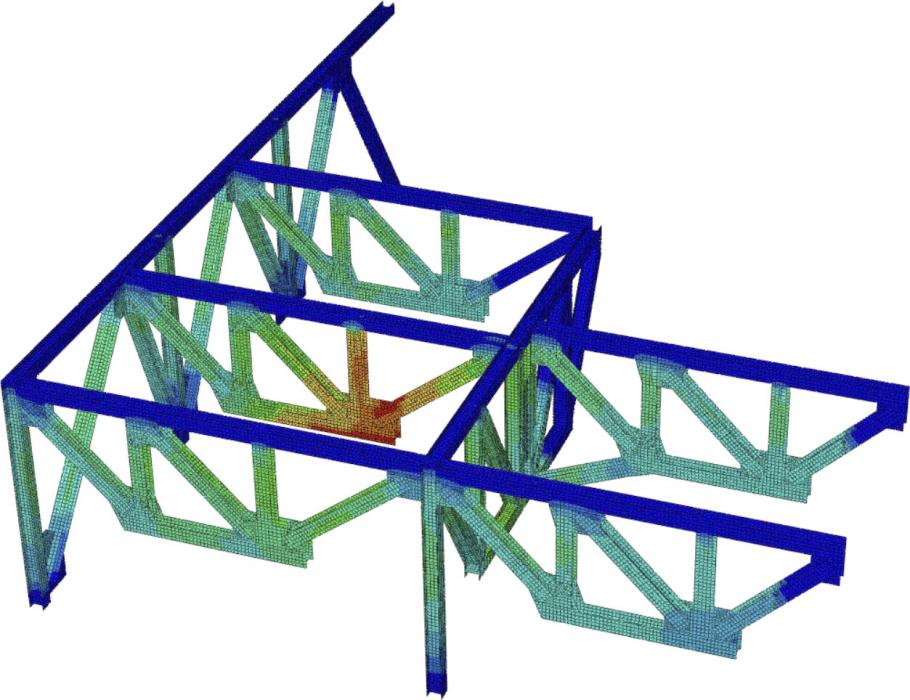
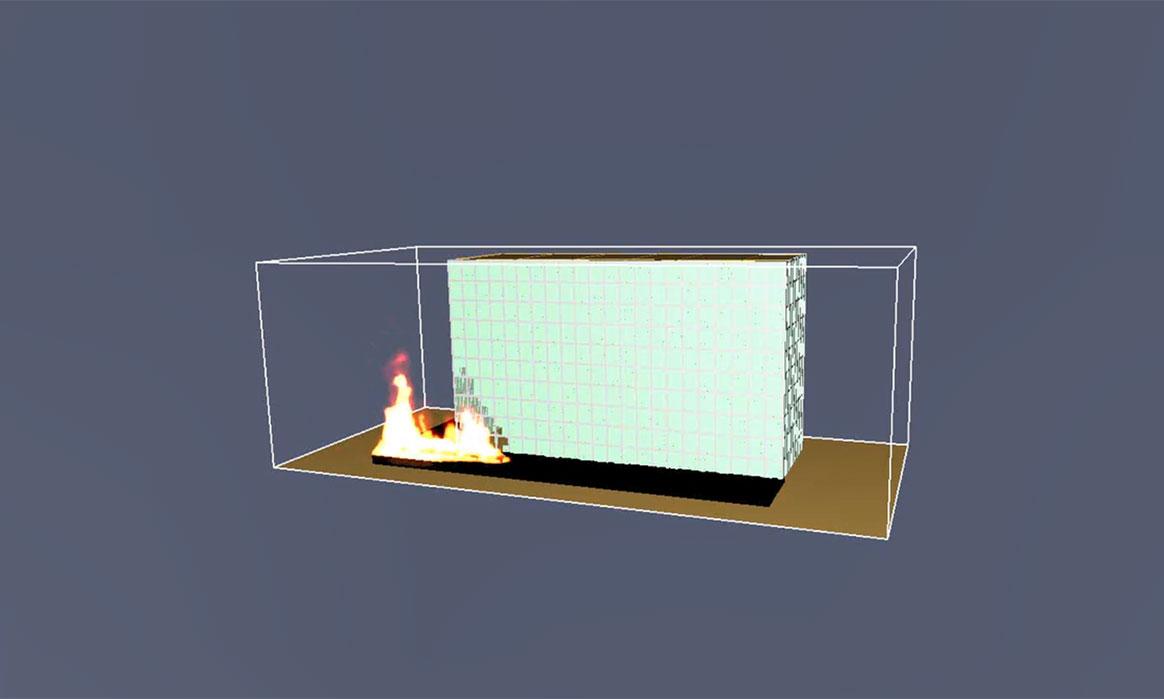
We use physics-based models of fire scenarios and their effects on structural and nonstructural building elements – in concrete, steel and timber – to predict risks and outcomes. Our main modeling tools include:
The result? Our designs perform as well – or better – than code-based systems, but at a lower cost. And our approach offers more flexibility to meet safety requirements without compromising aesthetic or functional goals.
We apply fire science to enhance our forensics and renewal services. First we use sophisticated tools to identify the extent of structural and nonstructural damage. Then we apply our expertise in CFD and advanced FEA to develop precise re-creations of events and failures. Physical testing, laser scanning, drone image capture and photogrammetry, data processing, and structural monitoring aid our investigations.
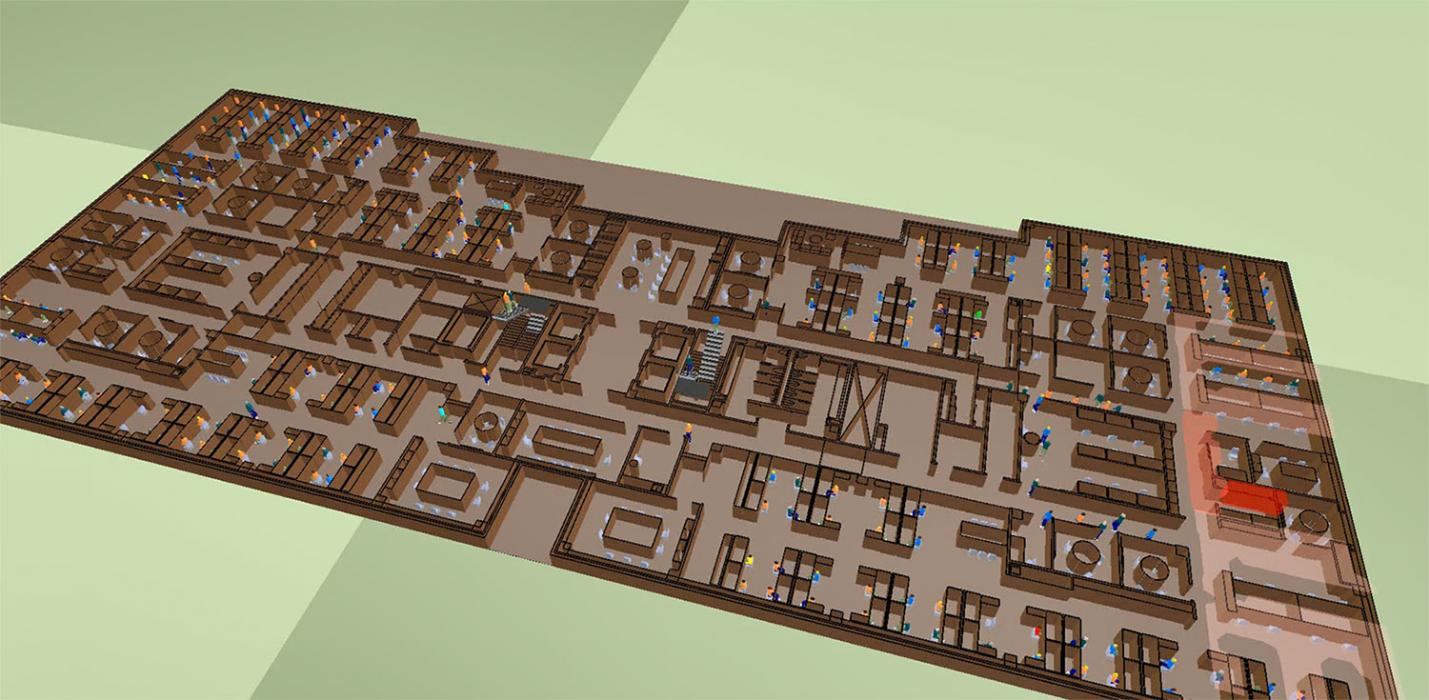
Using advanced simulation tools, we realistically model human behavior in response to fire events. This method helps us better quantify risk to human life and design the most effective mitigation measures.
Egress modeling simulates human movement to predict evacuation times and identify system vulnerabilities. These models use a realistic representation of building occupants, floor layouts, fire-protection measures and fire scenarios.
Featured Project
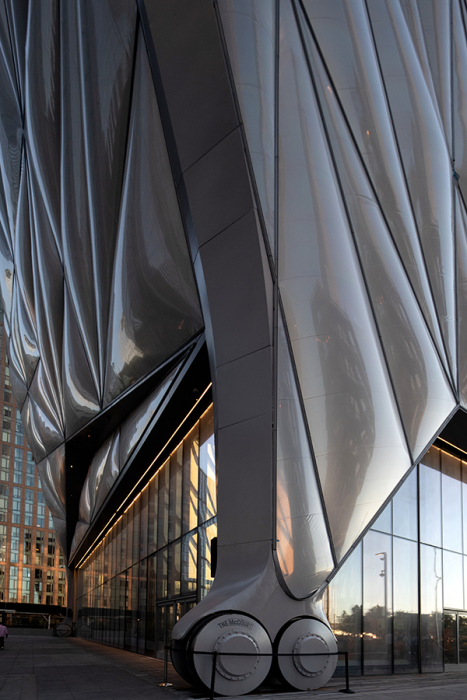
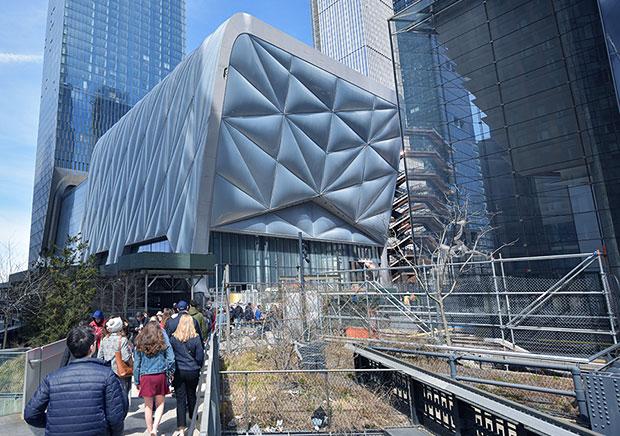
The Shed How do we make an avant-garde arts center so flexible, it’s future-proof? Make it move.Featured Project
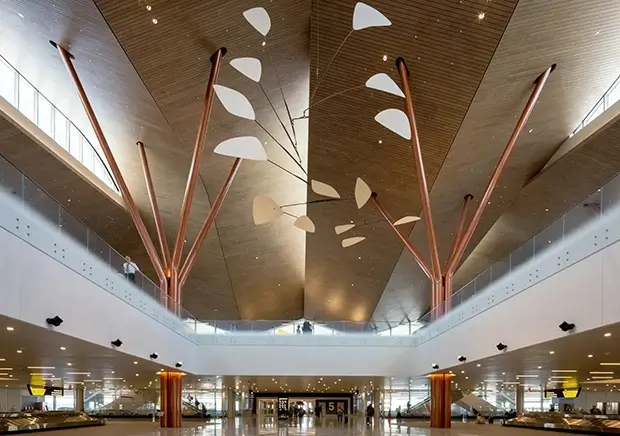
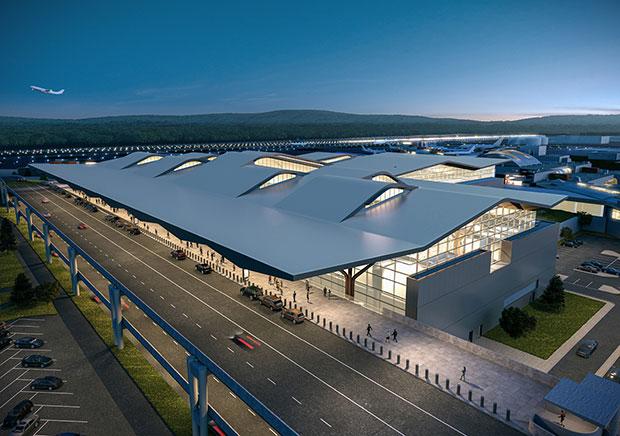
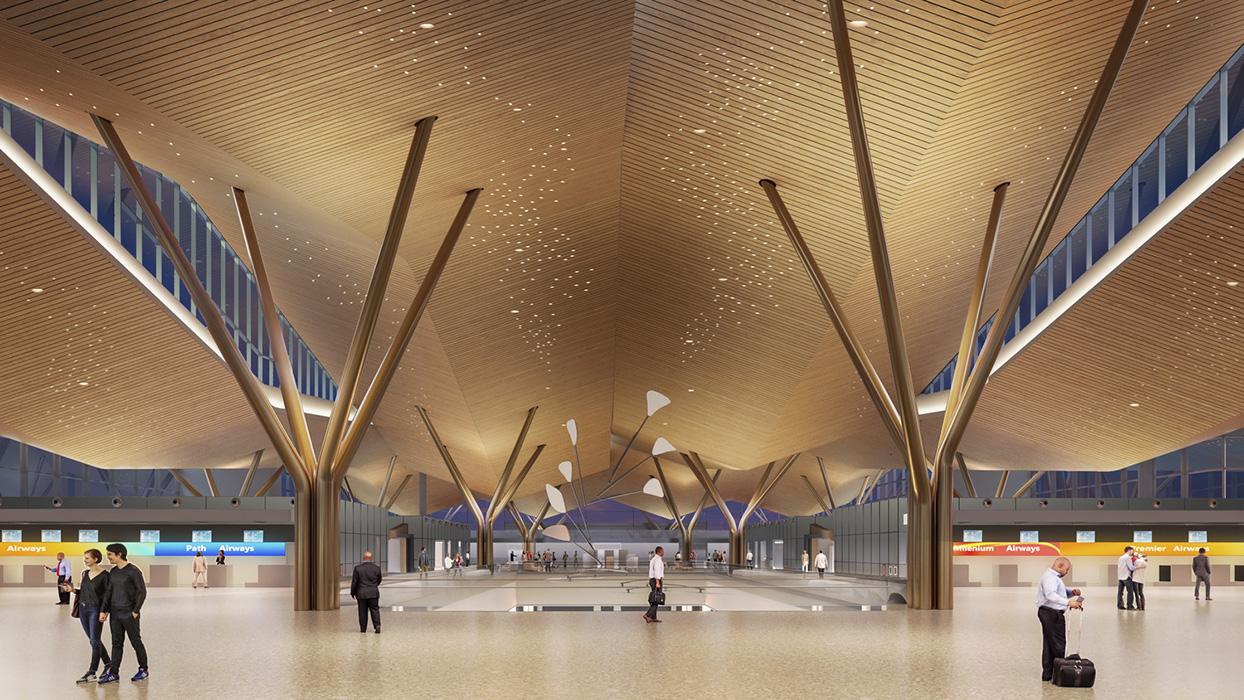
Pittsburgh Airport Terminal Modernization The modern world is on the move. To keep up with millions of air passengers today means building an airport for tomorrow.Featured Project
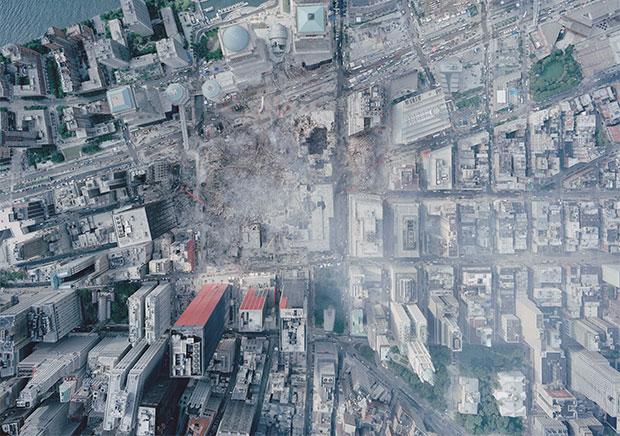
World Trade Center Response, Recovery and Analysis Starting with a walk-through on September 11, 2001, we began a multi-year, far-reaching mobilization and coordination of engineering services.
News
The Engineering Behind The Shed's Movable Design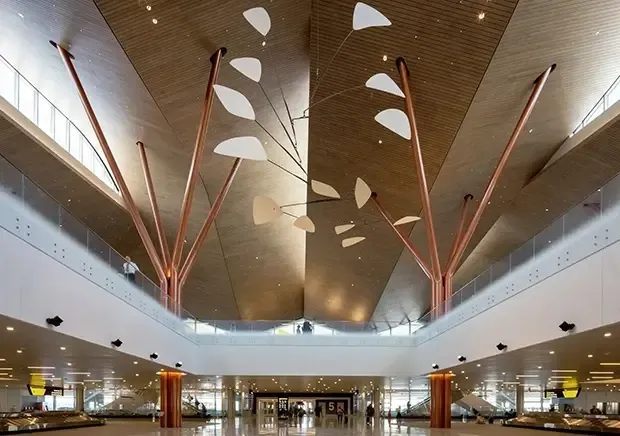
News
Pittsburgh International Airport Named 2027 Airport of the Year
Insight
Mass Timber and Fire SafetyNews
Pittsburgh Int'l Airport Featured in Modern Steel Construction