
Steve Freihon/Related-Oxford
New York, New York
Global experience.
Regional perspective.
Local impact.
New York, New York
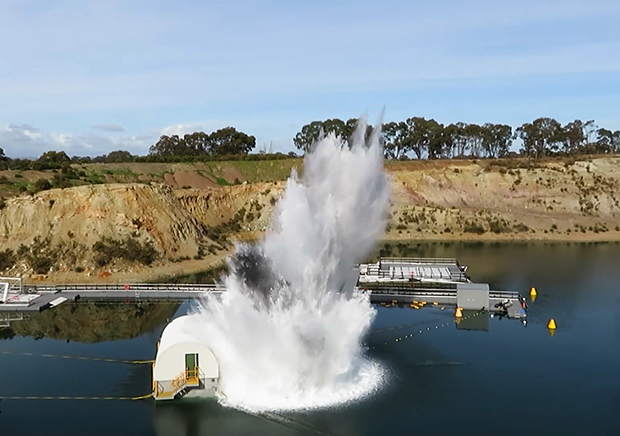
Australia

London, United Kingdom
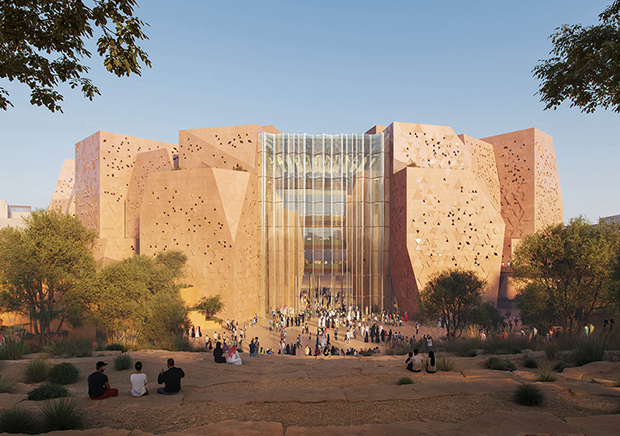
Diriyah, Riyadh, Saudi Arabia

This post is part of Thornton Tomasetti Here’s How: Mainstreaming Mass Timber, a podcast hosted by Paul Becker and Kristina Rogers exploring mass timber design, delivery and performance in structural engineering projects.
In this episode, Senior Principal Paul Becker and Vice President Kristina Rogers talk with Associate Sami Rahman about vibration and acoustic performance in mass timber buildings. They discuss why mass timber floors behave differently from steel or concrete systems, suggest effective design strategies, and explain how modeling and field testing are helping us fine-tune performance so mass timber can be used in spaces with strict vibration criteria.



Vibration and acoustic performance are among the most technically challenging aspects of mass timber design. In this episode, Paul Becker and Kristina Rogers speak with Associate Sami Rahman about the relationship between vibration and acoustics in mass timber versus steel and concrete systems and what that means for design teams.
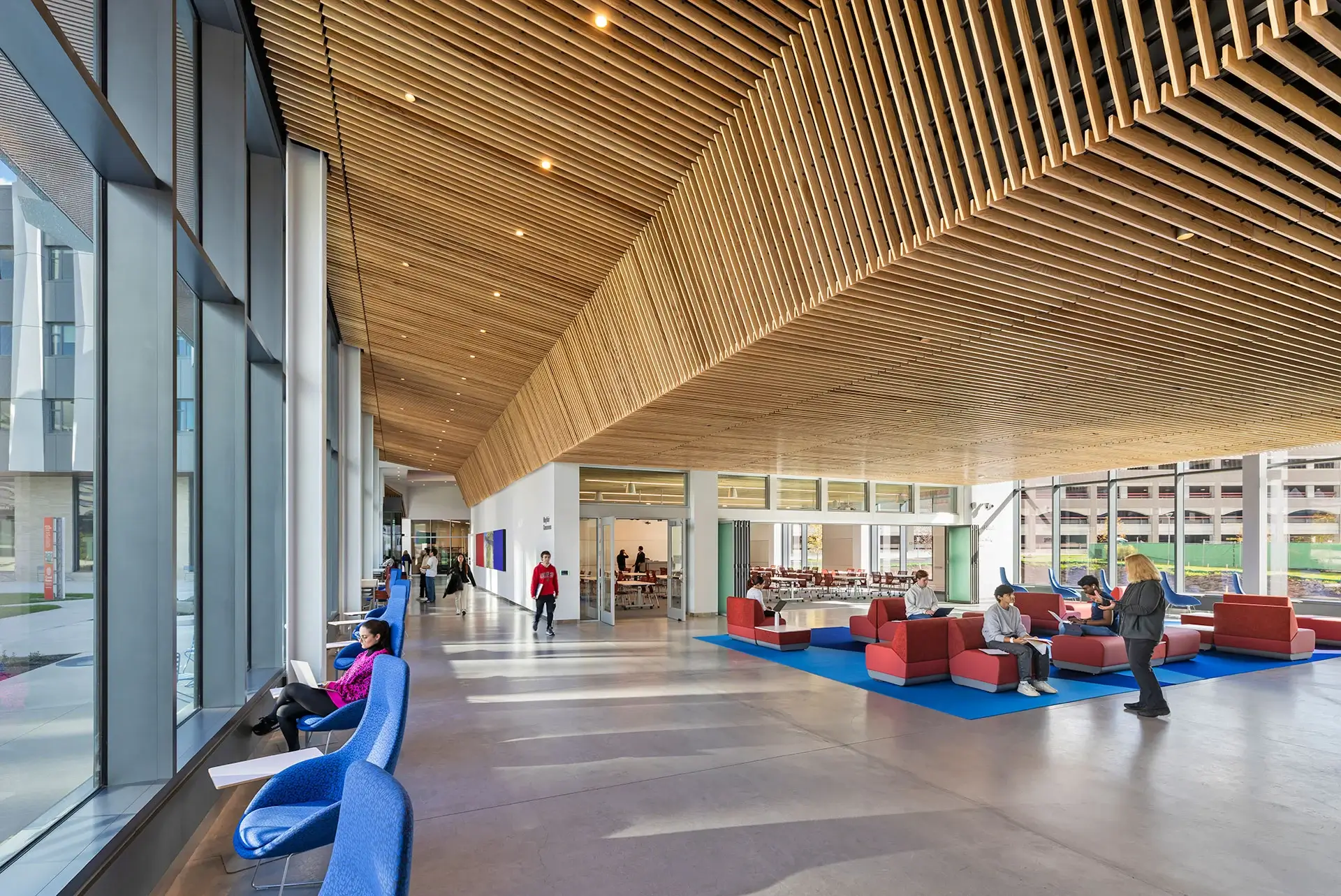
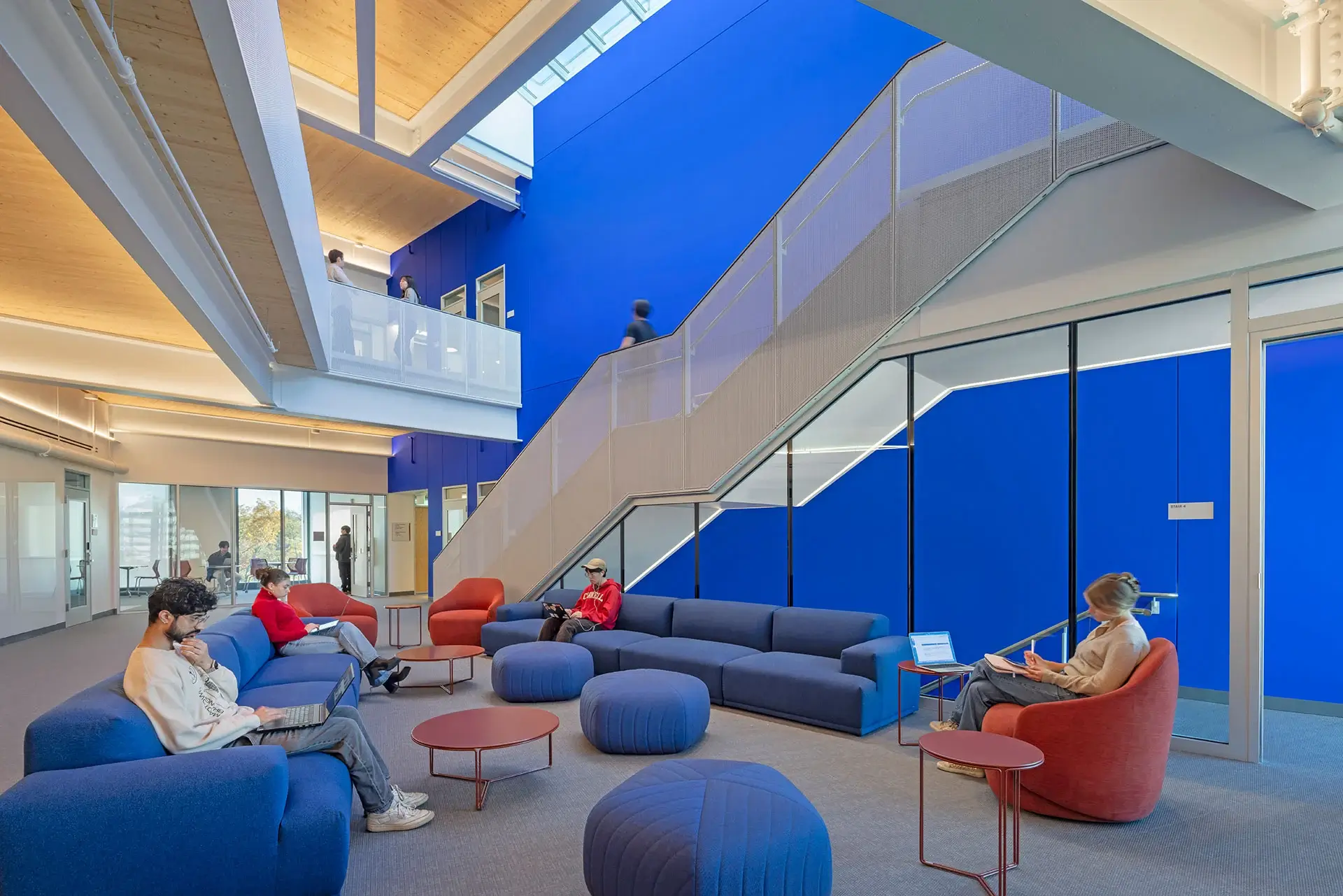
The conversation examines how mass timber’s lighter weight makes floor vibration performance more complex. Strategies that improve vibration performance, such as creating composite action between CLT and concrete topping, can negatively affect acoustic separation. Using the Bowers College of Computing and Information Science at Cornell University as an example, Sami explains how to strike the correct balance for optimal performance. They also look at why involving acoustics and vibration experts early in the design process can provide better, more efficient outcomes.
The discussion also explores options for successfully using mass timber in laboratories, research centers, and other spaces with sensitive equipment, such as manufacturing facilities. Sami discusses how advances in structural dynamics, finite element analysis (FEA), and validation of design models through field testing help us better understand and predict the behavior of mass timber structures. This will allow us to improve vibration-control design to allow mass timber to be used in more applications.