Steve Freihon/Related-Oxford
New York, New York
Global experience.
Regional perspective.
Local impact.
New York, New York
Australia
London, United Kingdom
Diriyah, Riyadh, Saudi Arabia
Starting with a walk-through on September 11, 2001, we began a multi-year, far-reaching mobilization and coordination of engineering services.
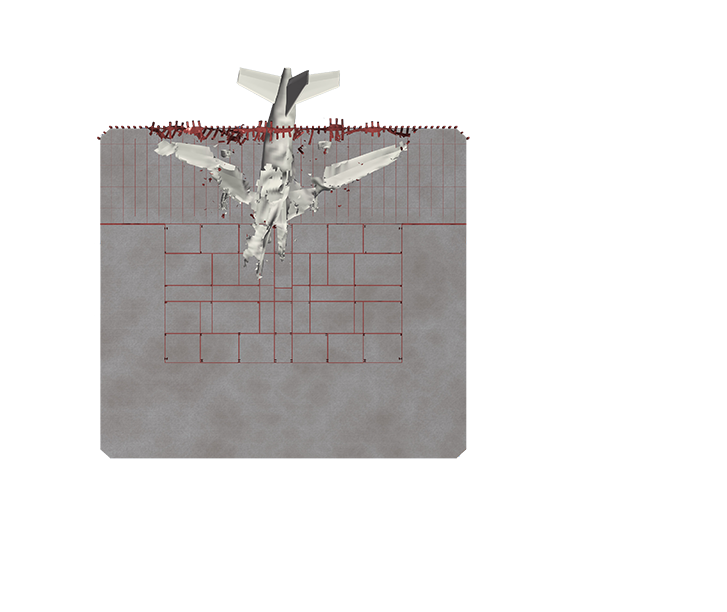

World Trade Center 7 Collapse Investigation: ACEC, National Grand Award, 2015
World Trade Center 7 Collapse Investigation: ACEC, New York, Diamond Award, 2015
World Trade Center Forensic Investigation: ACEC, National Grand Conceptor Award, 2004
Starting with a walk-through of Ground Zero on the afternoon of September 11, 2001, we began a six-year, far-reaching mobilization and coordination of engineering services. Our scope covered:
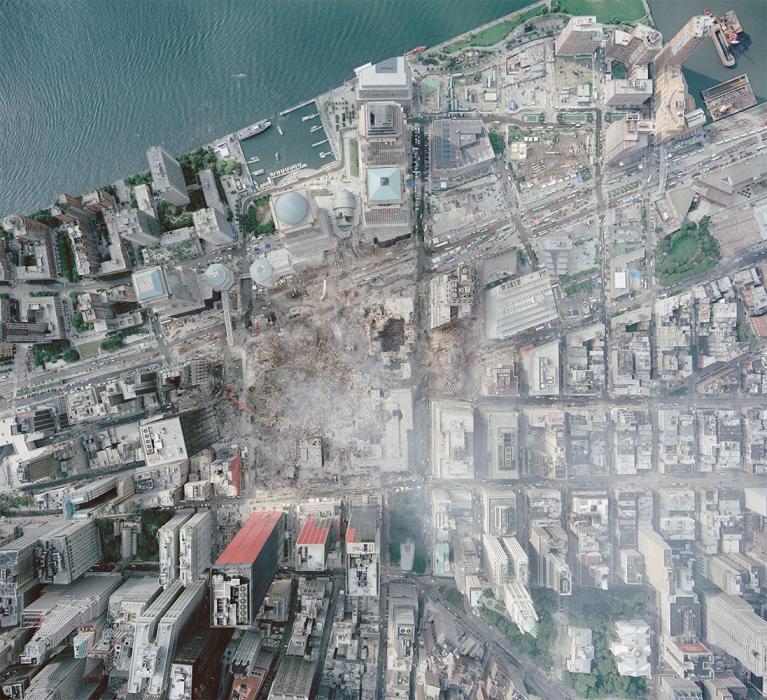
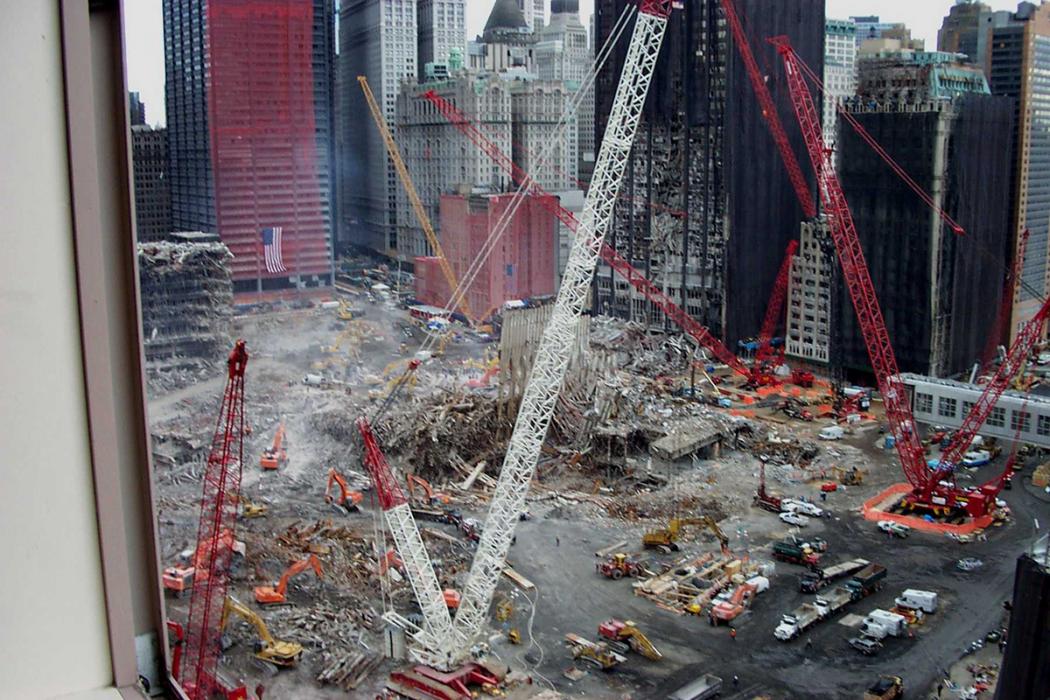
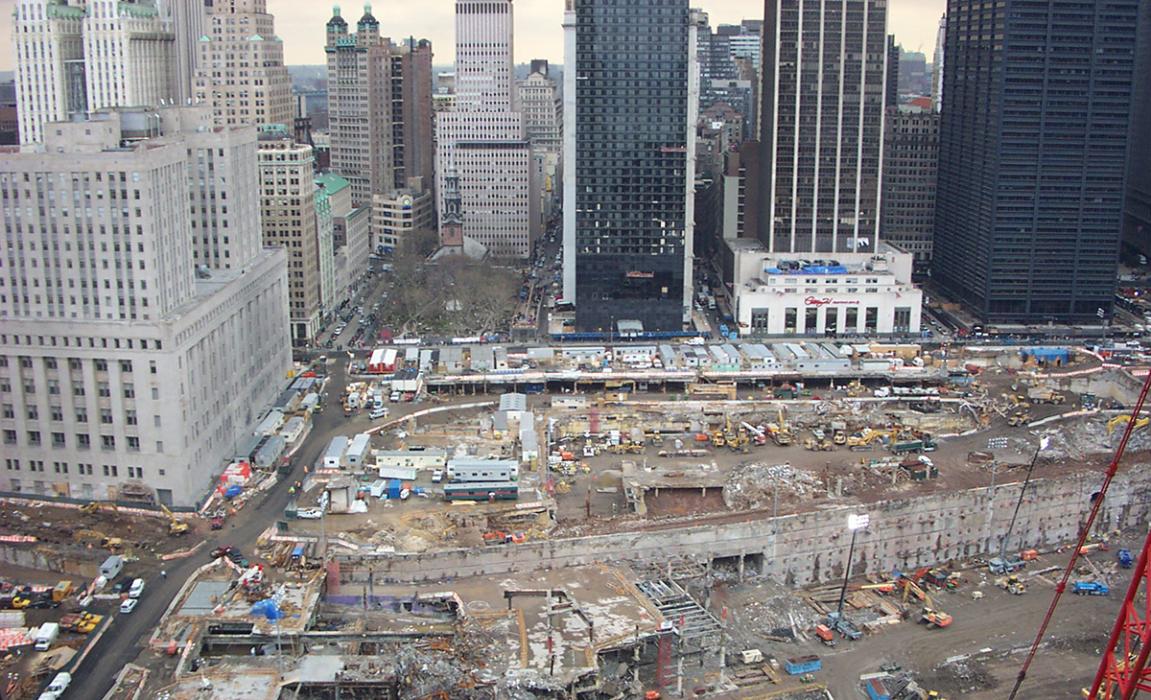
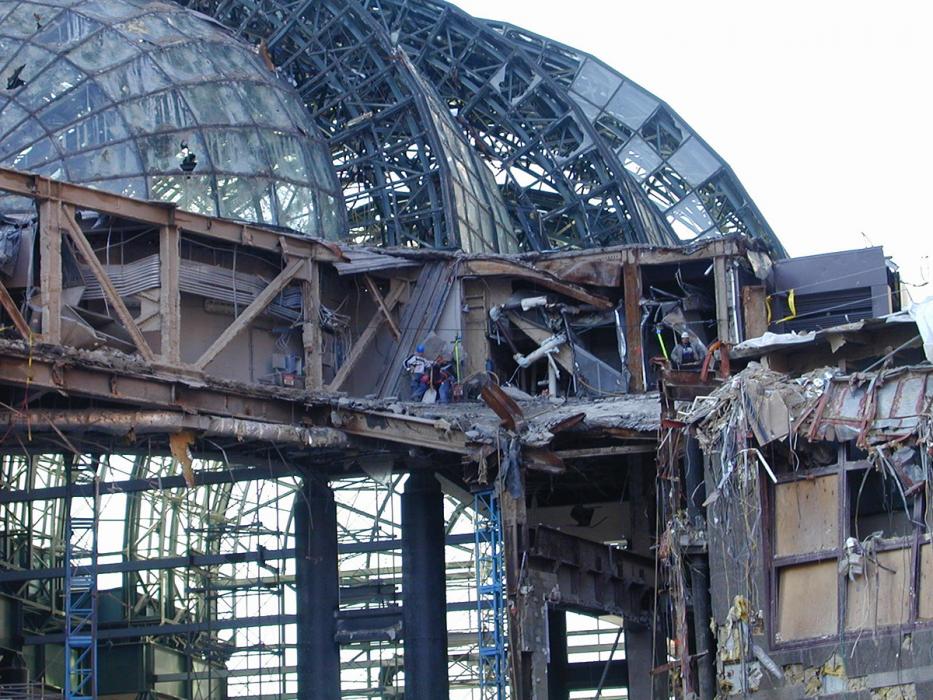
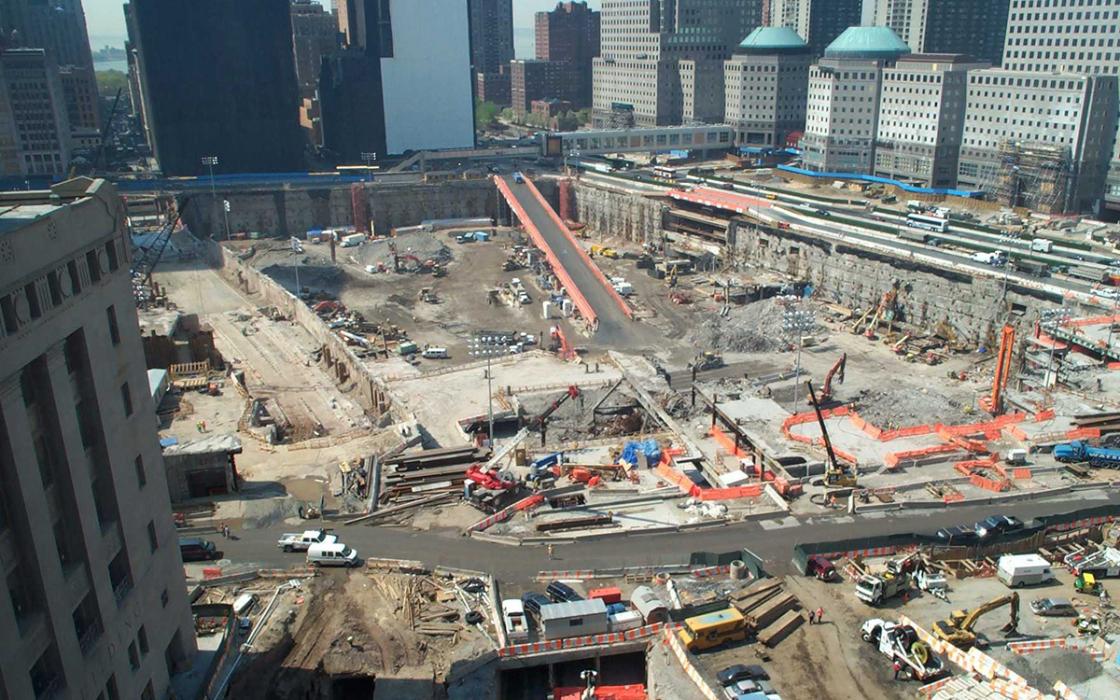
After the first two or three weeks, the rescue effort was converted to a recovery effort when it became clear there were few survivors.
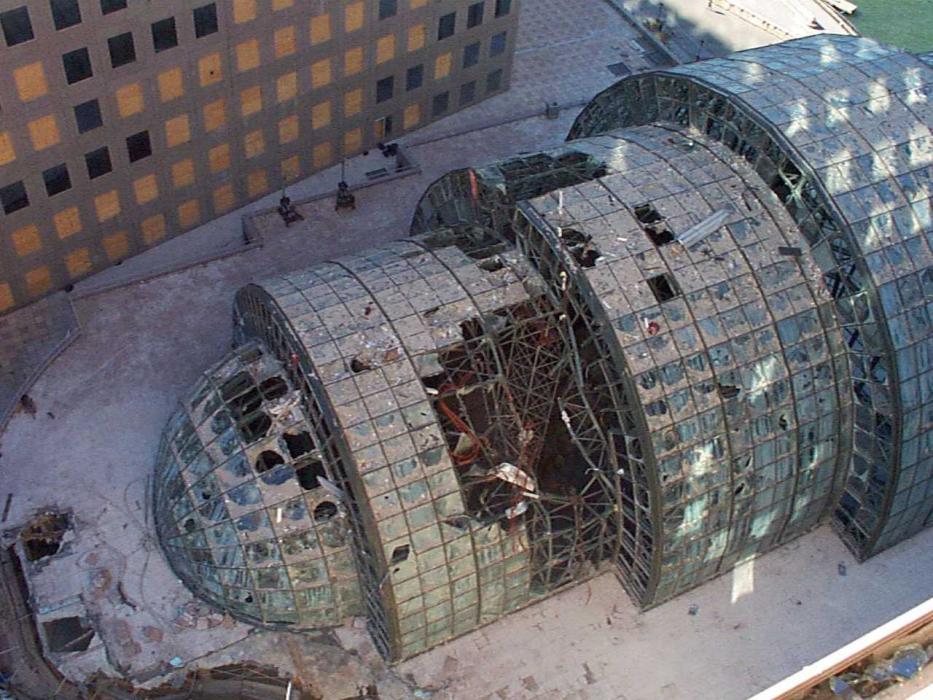
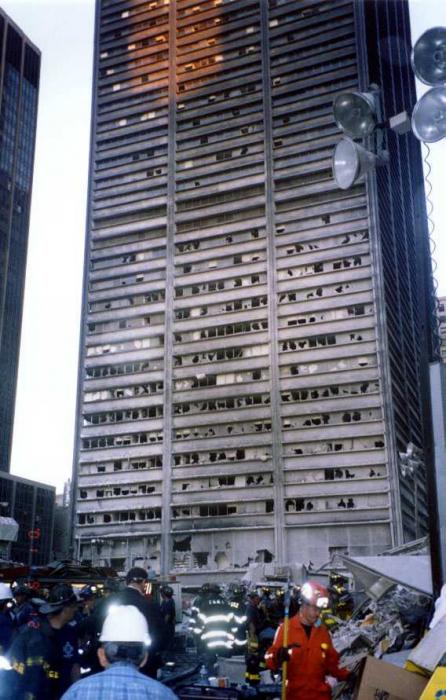
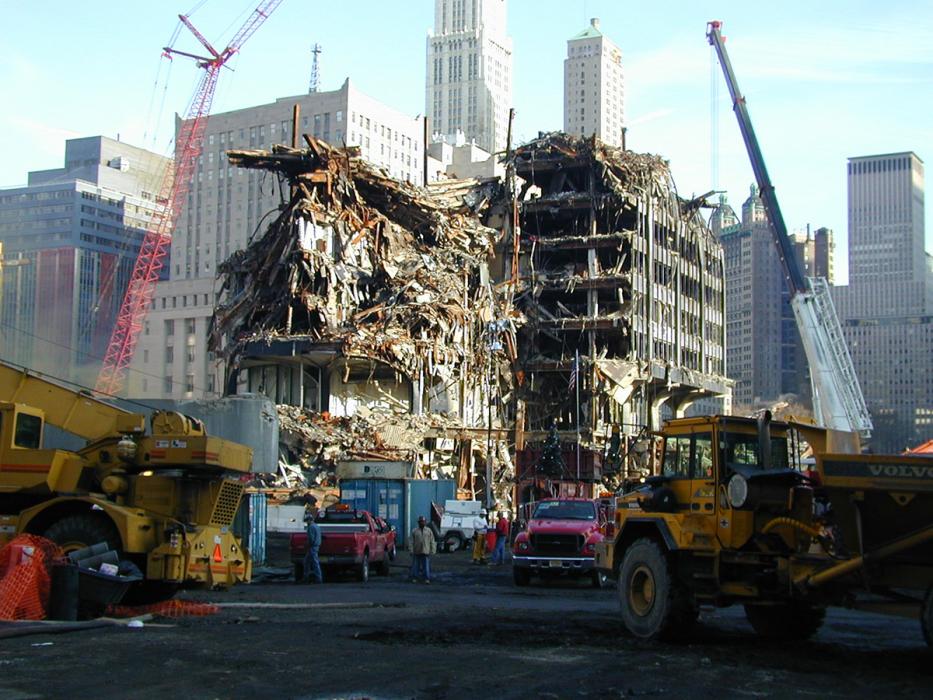
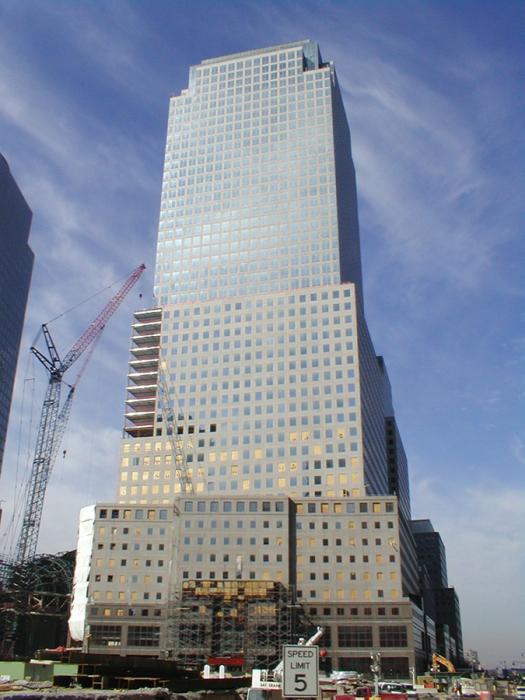
Recovery included repair to, or replacement of, structures such as Robert Douglas Bridge, the Winter Garden / Brookfield Plaza and the St. Nicholas Shrine. For the Deutsche Bank building, which was damaged beyond repair, the area was too tight for an explosive demolition so we provided engineered deconstruction, one floor at a time. When design began for new construction, we provided protective design for the new World Trade Center Towers and the signature World Trade Center Transportation Hub.
Our comprehensive study examined why the Twin Towers stood for as long as they did and detailed the mechanism of their collapse. Our exhaustive analysis established the extent of damage in the tower cores due to the airplane impacts, the subsequent effects of fires on the structural capacity of columns and resultant load redistribution, and the ultimate failure mechanisms at the point of collapse of each tower.
In the early afternoon of September 11, we got a phone call to ask if we could supply 25 engineers to the [New York City] Department of Design and Construction to help them do the evaluation and the rescue work, and begin cleanup. And I responded, ‘Yes, we can, of course, but I don't think we should just give you our engineers. We'll give you the whole management of them. Just tell us what has to be done, and we'll take care of it.’ So within an hour we were hired to oversee all the engineering for the search, rescue, recovery and cleanup of the site.
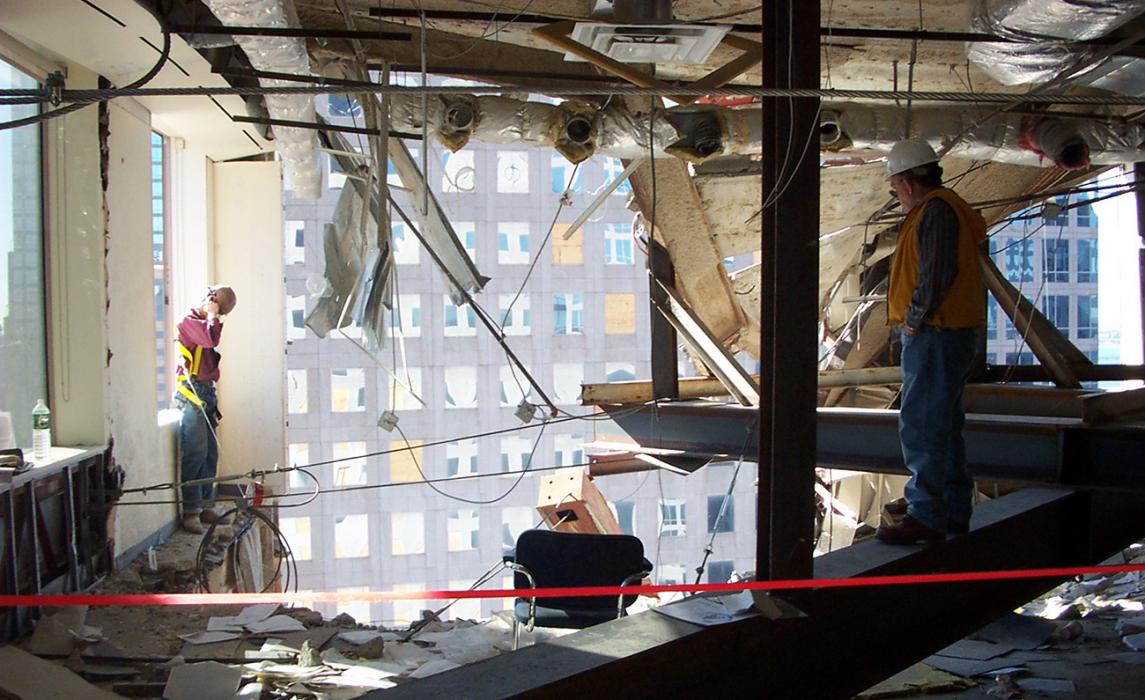
Our work on 130 Liberty Street (The Deutsche Bank building) started with a damage assessment in the days immediately following the attack, included the design of bracing and shoring to stabilize the building, and concluded with the building’s systematic, floor-by-floor deconstruction.